
Lifesystems Emergency Whistle Review: 108dB Claim, 1,272 Ratings, and a QC Issue Worth Knowing About
We earn commission from qualifying Amazon purchases. It costs you nothing and does not affect what we recommend.
A £2.95 emergency whistle that claims 108dB and comes DofE recommended. Most buyers love it, but a vocal minority say theirs barely makes a sound. We break down what's going on.
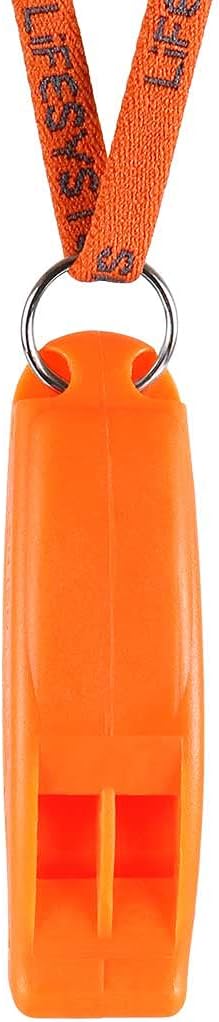
An emergency whistle is one of those bits of kit you buy hoping you'll never use. The Lifesystems Safety Whistle sits at the cheap end of that market - £2.95 for a bright orange, pealess whistle with a lanyard and a claimed output of 108dB. It's the #1 Best Seller in Camping & Hiking Survival Whistles on Amazon UK, it's DofE recommended, and over 1,200 people have rated it.
But scroll through those ratings and you'll find an unusual split. Roughly 62% of reviewers gave it five stars. Another 21% gave it one. That kind of polarisation is rare for something this simple, and it's worth understanding before you clip one to your pack.
What You Get for £2.95
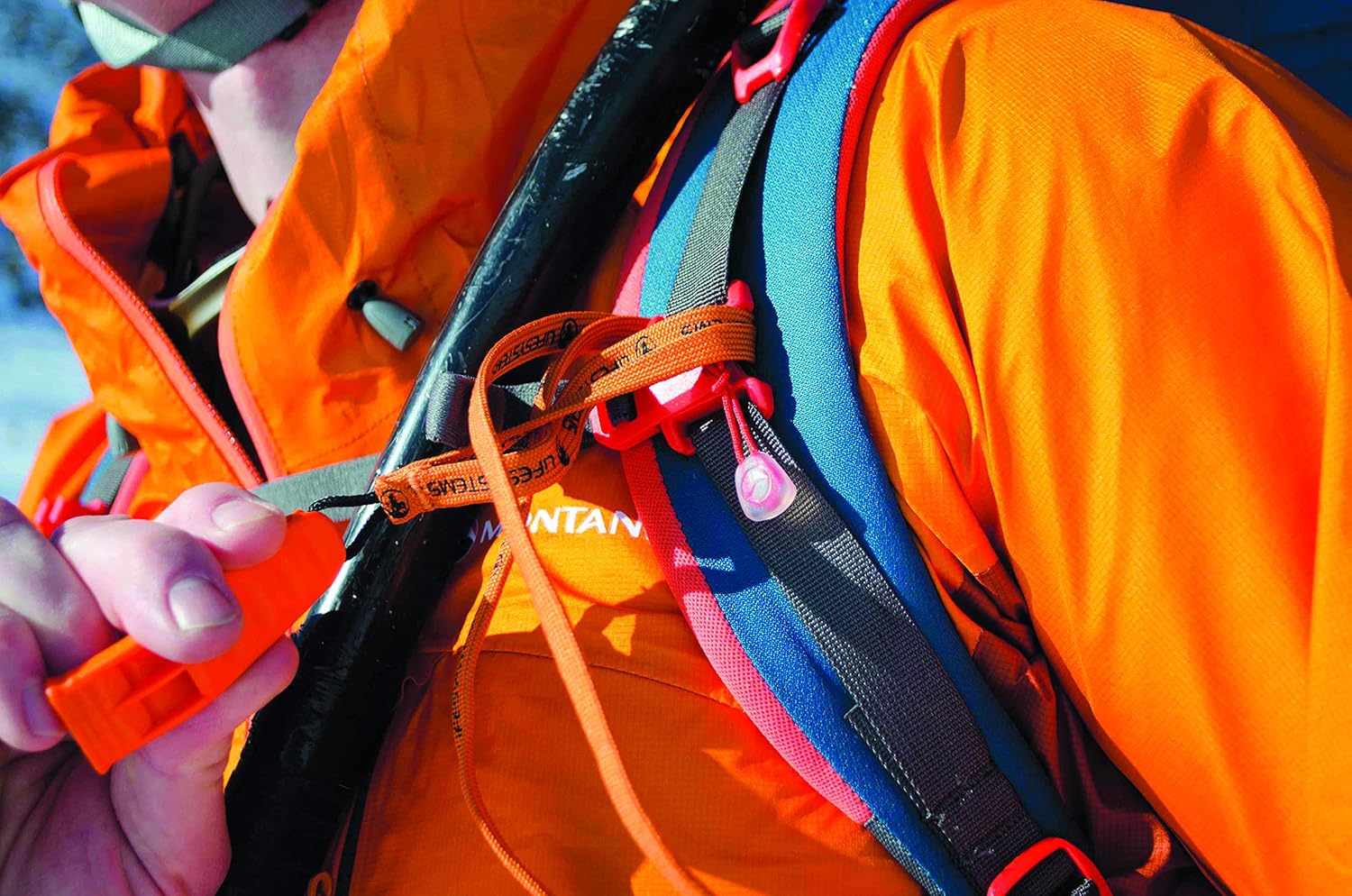
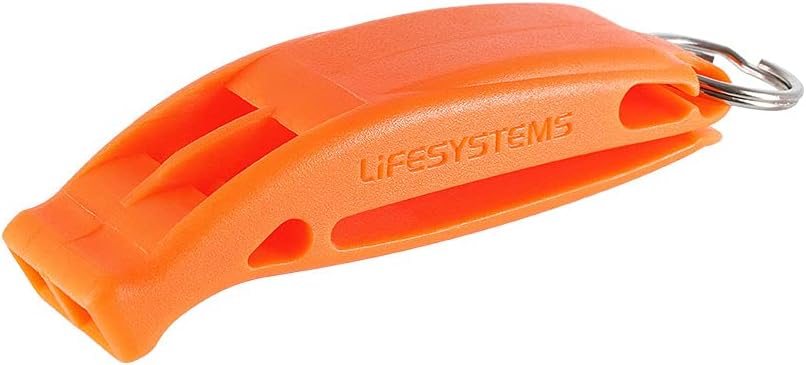
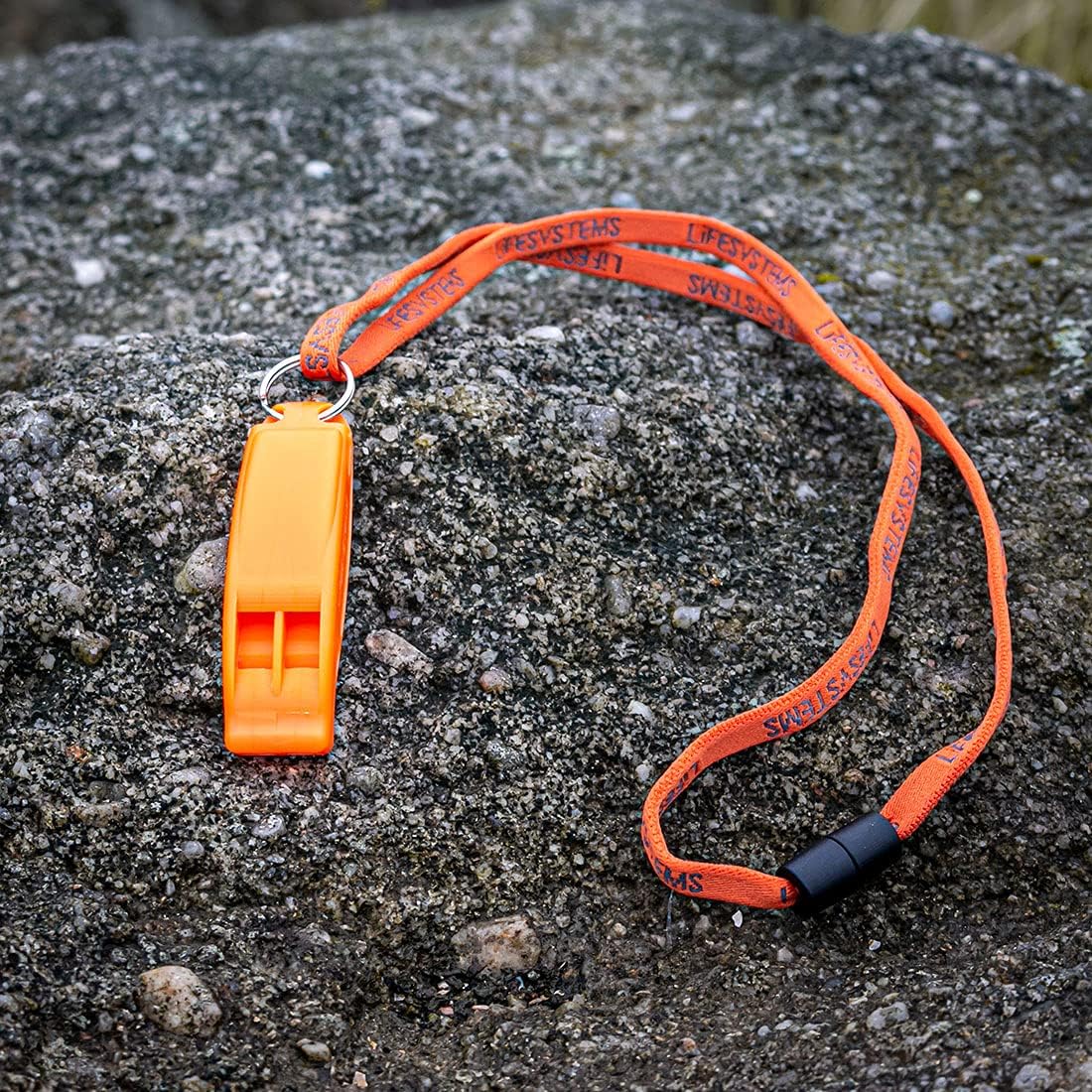
The whistle itself is a small, lightweight bit of plastic - 13g and about 7cm long. It's a pealess design with a dual-tone chamber, which means there's no ball inside to freeze, stick, or jam. That matters in cold or wet conditions where a traditional pea whistle might fail.
It comes with a branded orange lanyard that has a clip attachment, so you can wear it around your neck or clip it to a rucksack strap. The bright orange colour is deliberate - it's visible if you drop it on the ground or need to find it quickly in a pack. And yes, it floats, which makes it suitable for water-based activities too.
Lifesystems claims 108dB output and dual-tone sound that carries in all directions. It's listed as DofE recommended kit, which is why a good chunk of buyers are parents picking one up for their teenager's expedition.
The 108dB Question: Why Reviews Are So Split
This is where it gets interesting. The majority of buyers report exactly what you'd expect - a loud, effective whistle that does its job. One reviewer used it on the Via Transilvanica trail to scare off bears. Another describes it as audible "for miles" in wet and freezing conditions. Several hillwalkers and trail runners say it's much better than the cheap whistles built into lightweight running packs.
But about one in five buyers had a completely different experience. Words like "very quiet", "weak", "super quiet", and "horrible" come up repeatedly. One reviewer couldn't hear it from the next room. Another compared it unfavourably to a lollipop whistle.
So what's going on? One review gives us a strong clue. A buyer who initially received a "weak little peeping noise" got a replacement sent almost immediately - and the replacement worked perfectly. Their conclusion: "Must have been a defective product."
That points to a quality control issue rather than a fundamental design problem. When it works, it works well. But there's a non-trivial chance of getting a dud. At £2.95, returning a defective one isn't a big financial hassle, but it is the kind of thing you want to test at home before relying on it in the hills.
Lifesystems Safety & Emergency Whistle
108dB pealess emergency whistle with lanyard. DofE recommended, floats on water, dual-tone for all-direction audibility. 13g.
The Blow-Hard Factor

Several reviewers mention that you need to blow quite hard to get the full sound out of this whistle. One buyer noted that blowing at maximum force actually reduces the output - the air just goes "airy" and the sound drops off. Another pointed out that this makes it less suitable for young children or anyone who might be in a weakened state during an emergency.
This is a fair criticism. Pealess whistles generally need a specific airflow to hit their frequency sweet spot. Too gentle and you get a weak tone. Too aggressive and you can overdrive the chamber. It takes a minute to find the right pressure, and once you do, the volume is there. But it's worth practising before you need it for real.
If you're buying this for a child - particularly for DofE expeditions - have them try it at home first. Make sure they can produce a strong, consistent blast. If they struggle, consider whether a different whistle design might suit them better.
Who This Whistle Is For
The typical buyer falls into one of three camps: DofE parents, hillwalkers who want basic safety kit, and water sports users who need something that floats. For all three, the Lifesystems whistle does the job at a price that's almost throwaway.
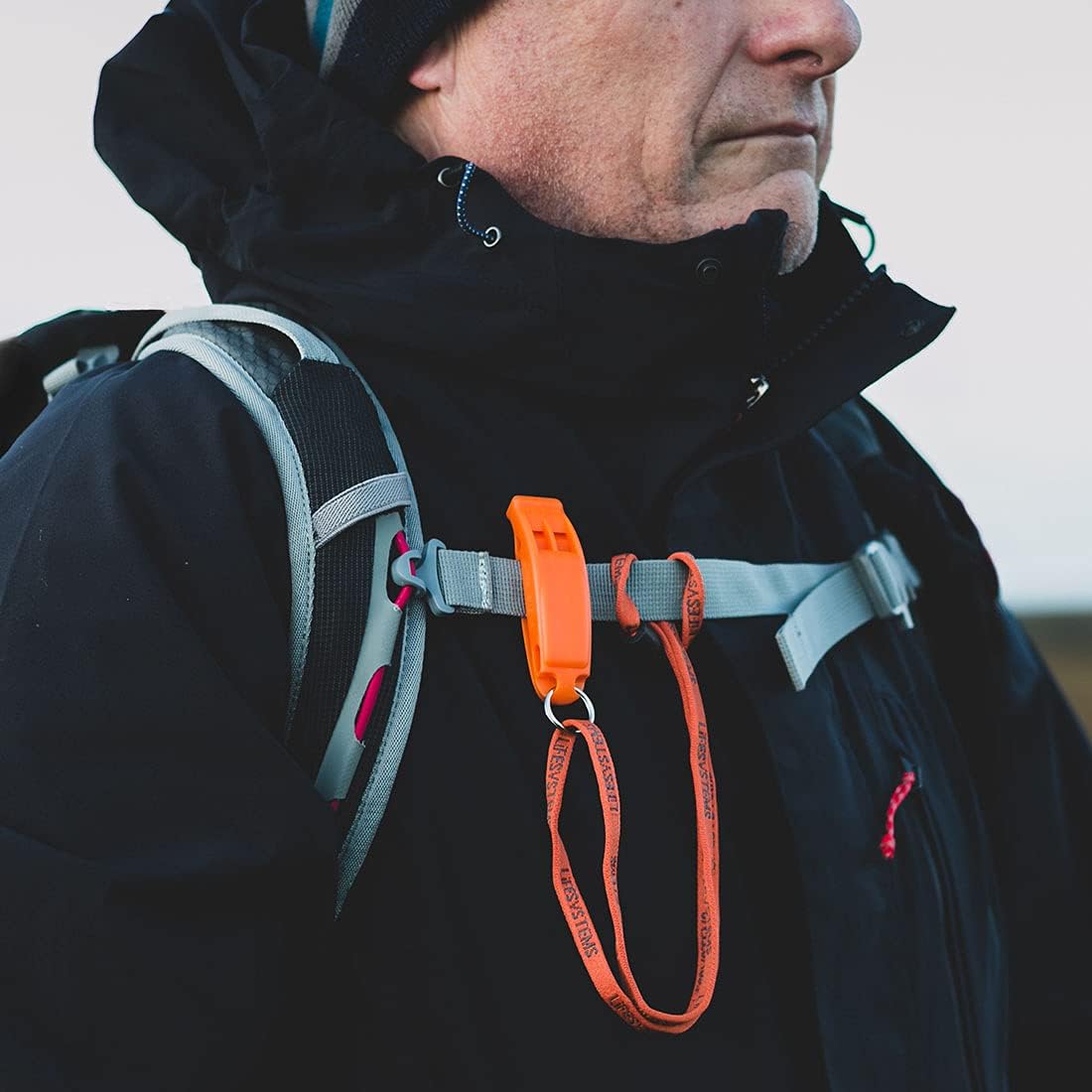
It clips easily to a chest strap or pack shoulder strap and sits there without getting in the way. At 13g, you'll forget it's there. The lanyard is functional rather than premium, but it works. One buyer did report receiving theirs without a lanyard, though that seems to be an isolated fulfilment issue rather than a pattern.
If you're a serious mountaineer or expedition leader, you might want something with a more established performance record. But for casual hiking, DofE, scout groups, kayaking, or just keeping one in the car, it's solid value.
The Verdict
The Lifesystems Safety Whistle does what a £3 whistle should do. It's loud when it works properly, it's lightweight, visible, and it floats. The pealess design means no moving parts to fail in bad weather. DofE recommended, and the bestseller in its category for a reason.
The catch is the quality control. A noticeable minority of buyers received whistles that simply didn't perform, and the requirement to find the right blowing pressure adds a learning curve that some users won't expect. Test it as soon as it arrives. If yours sounds weak, get a replacement - Lifesystems seem good at sending them out quickly.
At this price point, you could buy two and keep a spare. For a piece of safety kit that weighs about the same as a AAA battery and costs less than a coffee, there's no good reason not to carry one.
Check the current price on Amazon
Lifesystems Safety & Emergency Whistle
108dB pealess emergency whistle with lanyard. DofE recommended, floats on water, dual-tone for all-direction audibility. 13g.