How to Pack a Rucksack for Hiking: What Goes Where (And Why It Matters)
Published 15 June 2026
A well-packed rucksack feels lighter than a badly packed one of the same weight. This guide shows you exactly what goes where, from the sleeping bag at the bottom to the waterproof at the top, and why that order keeps the load off your shoulders and on your hips.
We earn commission from qualifying Amazon purchases. It costs you nothing and does not affect what we recommend.
Quick Answer
To pack a rucksack for hiking, put your sleeping bag and light bulky kit at the bottom, your heaviest items in the middle pressed against your back, soft layers padded around them, and your waterproof and snacks at the top. Keep the things you grab most in a lid pocket or waist pack.
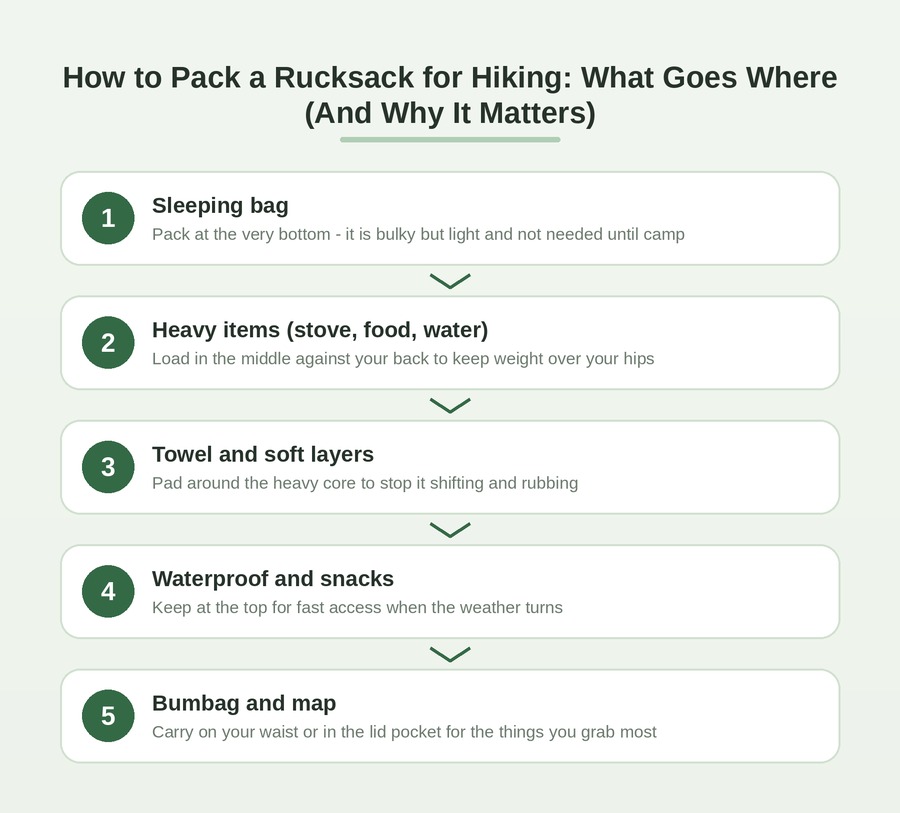
The diagram above lays out the whole order at a glance, bottom to top. The rest of this guide explains why each layer sits where it does and which kit slots naturally into each zone.
- Why packing order matters more than total weight
- The bottom: sleeping bag and light bulk
- The middle: heavy kit against your back
- The padding layer: soft kit and your towel
- The top and pockets: waterproofs, snacks and quick-grab items
- Common packing mistakes to avoid
- Frequently Asked Questions
- Related Reading
Why packing order matters more than total weight
Two hikers can carry the same 9kg and have completely different days. The one whose pack sits high and tight against the spine barely notices it. The one with a heavy item rolling around the bottom feels every step in their shoulders by lunchtime.
The reason is your centre of gravity. When the heavy weight sits close to your back and near hip height, the load lines up over your legs, which are built to carry it. When weight drifts away from your back or sinks too low, the pack tries to tip you backwards and your shoulders fight it the whole way.
So before you think about kit lists, think in three zones: a light base, a heavy core against your back, and quick-access items up top. Get those right and a budget pack will outperform an expensive one stuffed in the wrong order.
The bottom: sleeping bag and light bulk
Start with the things you will not touch until camp. Your sleeping bag is the obvious one, along with spare night clothes or a soft fleece you are not wearing. These are bulky but light, so they do no harm at the bottom and they build a cushioned base for everything above.
Should a sleeping bag go at the top or bottom of a pack?
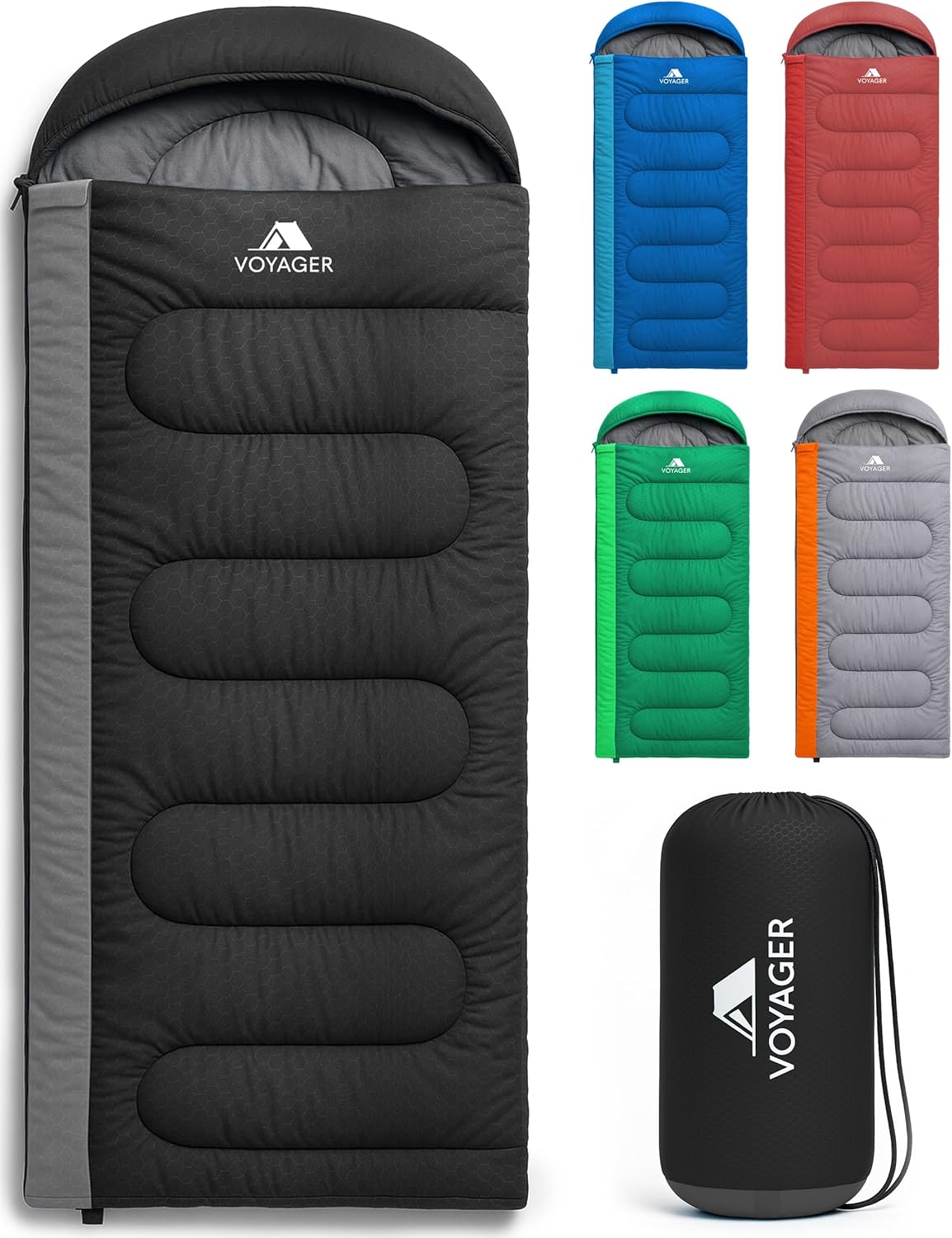
Bottom, every time. A sleeping bag is one of the lightest things you carry for its size, so keeping it low does not unbalance the pack, and you really do not need it during the walk. The trick is a bag that compresses small enough to fill the base without hogging space.
The Voyager Compact Sleeping Bag is a good fit for this job. At around £16.99 it squashes into its own stuff sack small enough to clip to a rucksack, and reviewers repeatedly note how little room it takes once packed away. One six-foot buyer called it light and a good length that fits neatly back in the carrying bag, which is exactly what you want filling the bottom of a 30L pack.
The middle: heavy kit against your back
This is the most important zone. Your heaviest items, the stove, the food bag, the water, go in the middle of the pack and as close to your back as you can get them. Aim for roughly shoulder-blade height, not down by your hips and not up near your neck.
Where should the heaviest items go in a backpack?
Centred, against your spine, level with your shoulder blades. Packed there, the weight sits over your hips and your body stays upright instead of leaning forward to counter a backward pull. Push that same weight to the outside of the pack or down to the bottom and it acts like a lever working against you.
Water is usually the single heaviest thing in a daypack, so treat your bottle as a heavy item rather than an afterthought. A 30L hiking pack with side mesh pockets lets you keep one bottle in reach and the spare weight in the core. The Trespass Albus 30L is built around exactly this kind of day, with two main compartments, a front zip pocket and side mesh sleeves sized for a water bottle. With more than 20,000 ratings, buyers consistently call it lightweight but spacious with padded straps that spread the load, which is what lets that central weight ride comfortably.
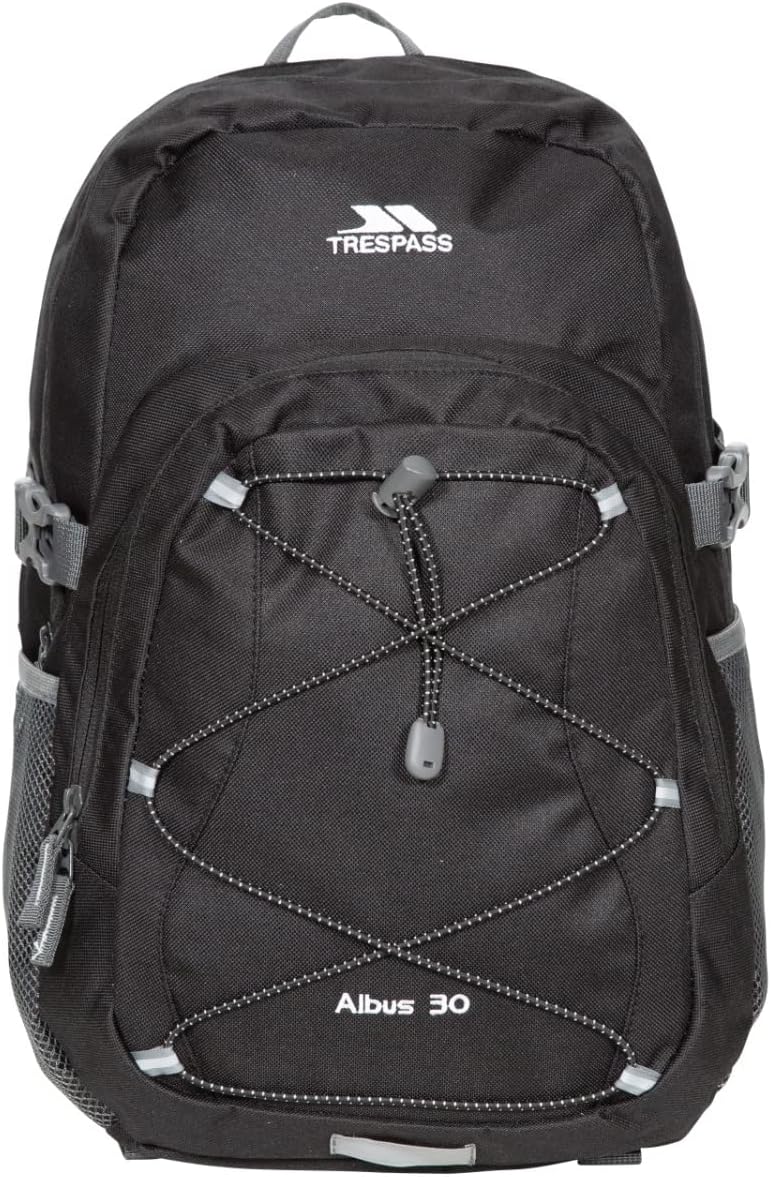
One honest caveat from the reviews: a handful of buyers report the side bottle pockets wearing through after heavy use, and the odd zip failing. It is a £17.99 daypack, not an expedition bag, so pack it for day walks and short trips rather than loading it like a 65L expedition pack.
The padding layer: soft kit and your towel
A heavy core only stays put if you stop it shifting. Once your stove and food are in the middle, pack soft, squashy items into the gaps around them: spare clothes, a hat, a buff, and a towel. This wedges the weight in place so it does not slide or rattle as you move.
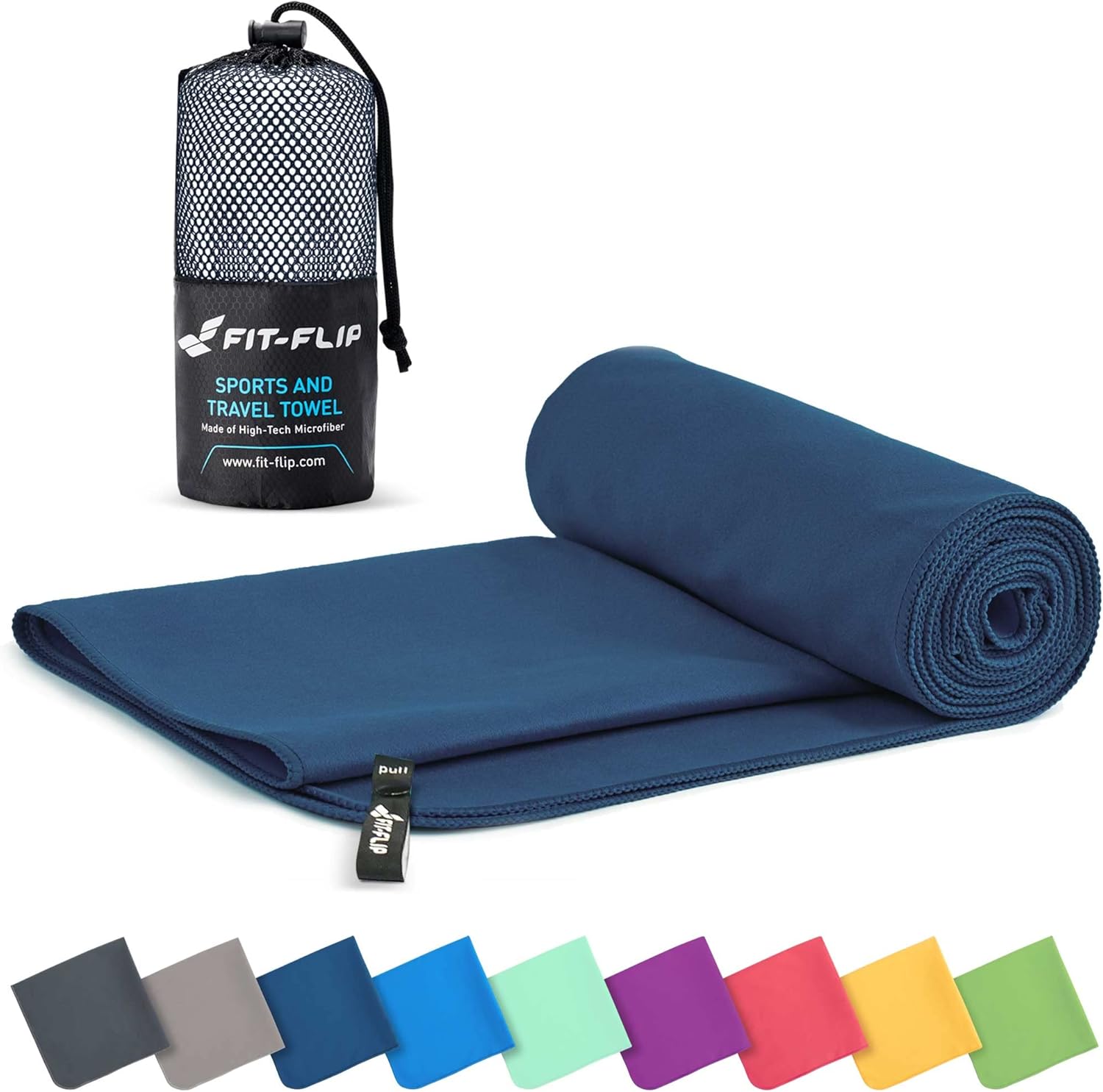
A microfibre towel earns its spot here because it doubles as packing material and dries fast enough to actually use. The Fit-Flip Microfibre Towel packs down to roughly the size of a mug into its own mesh pouch, so it fills awkward gaps without adding bulk. One reviewer took it hiking in Egypt and called it a great little addition to the kit, easy to carry and quick to dry. Buy the larger size if you want it for drying off, since several one-star reviews come from people who expected a beach towel and received the compact 30x50cm version.
The top and pockets: waterproofs, snacks and quick-grab items
The top of the main compartment is for anything you might need in a hurry. In the UK that means your waterproof jacket first, because the weather turns without warning and you do not want to dig to the bottom in a downpour. Snacks, a hat and gloves live up here too.
How do you pack a rucksack so it does not feel unbalanced?
Fill every gap and compress the load so nothing moves. A pack that sways usually has a heavy item rolling in a half-empty space. Once the core is wedged with soft kit and the top is packed snug, pull in the compression straps and the whole bag moves as one with your body.
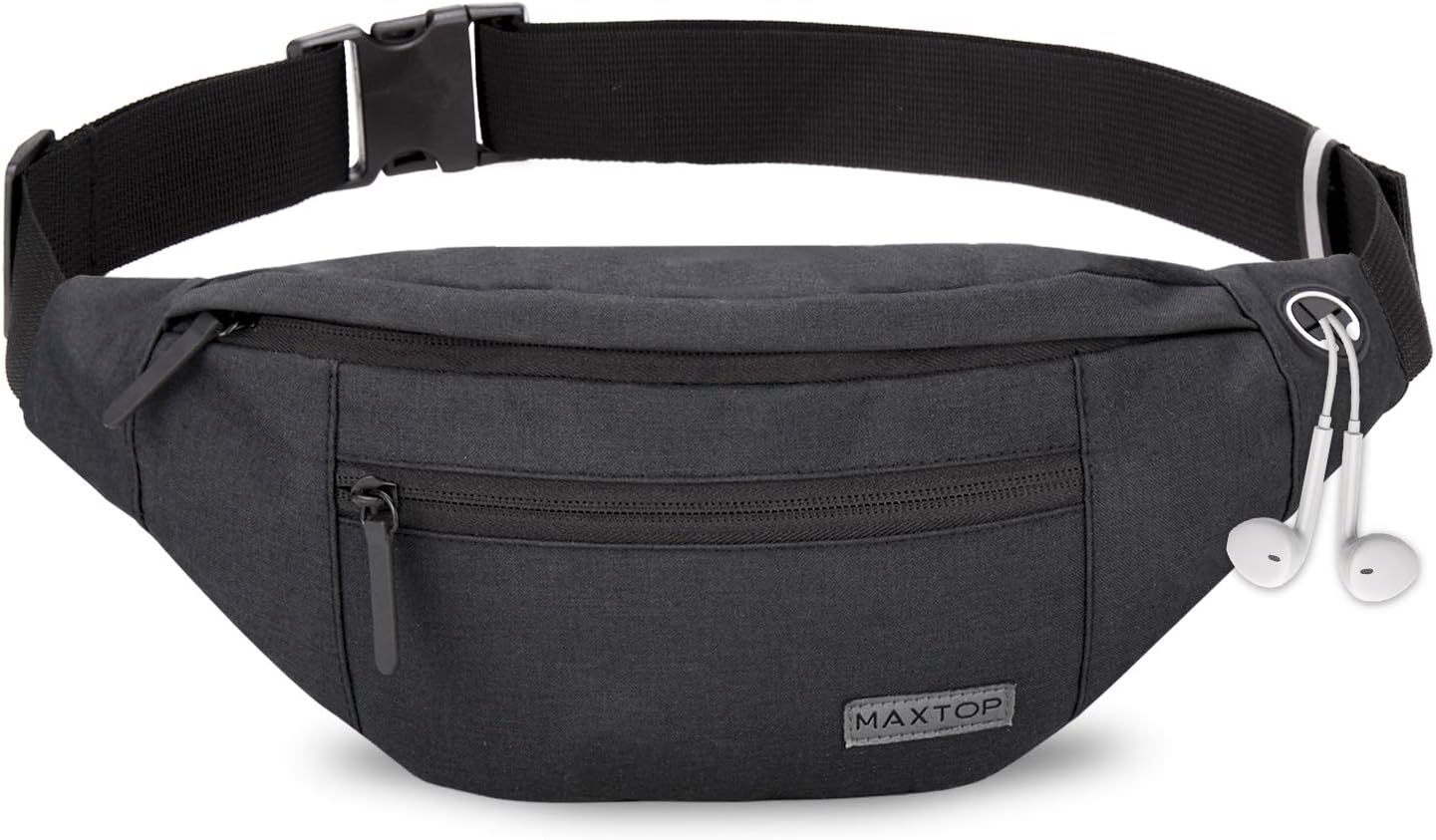
The things you reach for most, your phone, map, keys and a couple of snacks, should not be in the main bag at all. A waist pack keeps them on your hip where you can grab them without stopping to unpack. The MAXTOP Bumbag weighs only about 105g and has three zip pockets, including a hidden back pocket for valuables. One reviewer wore it for an 84-mile Hadrian's Wall walk, and others use it across the body for travel. Around 8 in 100 buyers report the buckle loosening, so cinch it firmly and check the fit before a long day out.
Common packing mistakes to avoid
The biggest mistake is loading heavy gear at the bottom. It feels tidy, but it drags the pack low and tips you backwards, and your shoulders carry the lot. Keep heavy weight central and against your back instead.
The second is leaving air gaps. Empty space lets items shift, and a shifting load throws your balance on rocky ground. Pad soft kit into every hollow so the pack is firm rather than half-full and floppy.
How do you stop a rucksack hurting your shoulders?
Tighten the hip belt first so it takes most of the weight, then snug the shoulder straps so they hold the bag close without bearing the load. If your shoulders still ache, the weight is sitting too low or too far back, so repack the heavy items higher and tighter to your spine. Padded straps help, but they cannot rescue a poorly packed bag.
Frequently Asked Questions
What goes at the bottom of a rucksack?
Bulky but light gear goes at the bottom, and a sleeping bag is the classic choice. You will not need it until you reach camp, so it can sit out of the way all day. Packing it low also builds a soft base that stops harder items pressing into your lower back.
Where should the heaviest items go in a backpack?
Heavy items belong in the middle of the pack, pressed close to your back and roughly level with your shoulder blades. This keeps the weight over your hips and your centre of gravity near your spine, so the load feels lighter and you stay balanced. Heavy gear at the top or far from your back makes a pack feel like it is pulling you backwards.
How do you stop a rucksack hurting your shoulders?
Move the weight off your shoulders and onto your hips. Tighten the hip belt first so it carries most of the load, then adjust the shoulder straps so they hold the pack against your back without taking the weight. No strap design fixes a badly packed bag with all the weight low and loose.
Should a sleeping bag go at the top or bottom of a pack?
A sleeping bag goes at the bottom. It is one of the lightest things you carry by volume, so it does no harm low down, and you do not need it until you stop for the night. A compressible bag that squashes into its own stuff sack fills the base neatly without wasting space.
How do you pack a rucksack so it does not feel unbalanced?
Keep the heaviest items centred and close to your spine, then pad soft kit around them so nothing shifts as you walk. A pack that rattles or sways usually has a heavy item rolling around in a half-empty compartment. Fill the gaps, compress the load, and the bag moves with you instead of against you.
Do you need a rucksack with lots of pockets for hiking?
You do not need many, but two or three are useful for the things you grab often. A lid pocket or a waist pack keeps your map, snacks and phone within reach so you are not unpacking the main compartment every time you stop. For a day hike, a 30L pack with a few pockets and side mesh for a water bottle is plenty.