What to Put in a Camping First Aid Kit: A UK Checklist (And What the Cheap Kits Miss)
A practical checklist of what to put in a camping first aid kit for UK trips, from the core wound supplies to the two add-ons almost every budget shop kit forgets. Built around real kits we have assessed through thousands of verified buyer reviews.
We earn commission from qualifying Amazon purchases. It costs you nothing and does not affect what we recommend.
Quick Answer
A camping first aid kit for UK trips should hold plasters in mixed sizes, sterile dressings, a conforming bandage, antiseptic wipes, blister plasters, scissors, tweezers, tape, gloves and your own medication. Start with a ready-made 90 to 105 piece kit, then add the two items cheap kits skip: a foil blanket and a whistle.
The Boring Items That Cover Cuts, Blisters and Sprains
Knowing what to put in a camping first aid kit for UK conditions starts with the boring, reliable items that handle the injuries you actually get outdoors: cuts, grazes, blisters, small burns and the odd sprain. Get these right and you have covered the vast majority of incidents on a normal trip.
Here is the checklist we would not leave the car park without:
- Plasters in mixed sizes, including a few large and waterproof ones
- Sterile wound dressings, two small and one large
- A conforming or crepe bandage for sprains and to hold dressings on
- Antiseptic wipes and a small tube of antiseptic cream
- Blister plasters or hydrocolloid blister pads
- Burn gel sachets or a burn dressing
- Small scissors and a pair of tweezers for splinters and ticks
- Medical tape and a few safety pins
- Disposable nitrile gloves
- Your own medication, plus paracetamol, ibuprofen and antihistamine tablets
- A foil emergency blanket
- A loud whistle
That last pair is where most kits fall down, and we will come back to them. First, the easy way to get the bulk of this list in one go.
Start with a ready-made kit, then top it up
Building a kit from individual items is satisfying but slow and rarely cheaper. A ready-made pouch in the £8 to £10 range gets you most of the checklist in a tidy, labelled case, and you spend your effort topping up the gaps rather than sourcing forty small items.
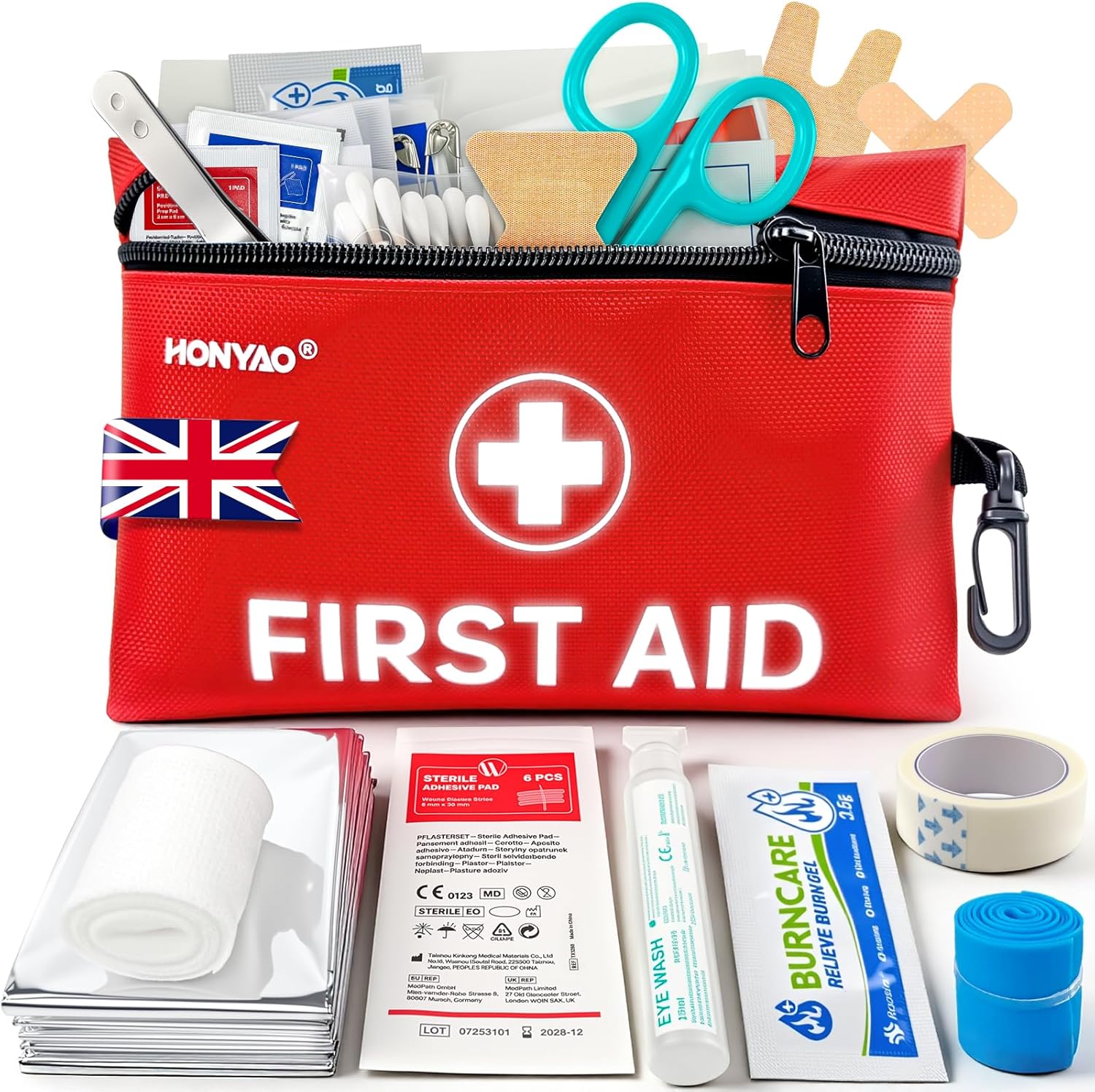
The HONYAO 105-piece kit is a good example of the format. It packs 105 UKCA and CE marked items into an 18 by 12 by 4 cm nylon case that weighs about 240 grams, with a carabiner hook so it clips to a rucksack. Reviewers like that it includes a burn gel and a foil blanket as standard, and a common comment is that they buy two: one for the tent and one for the car. The bright red case is easy to spot in a dim porch.
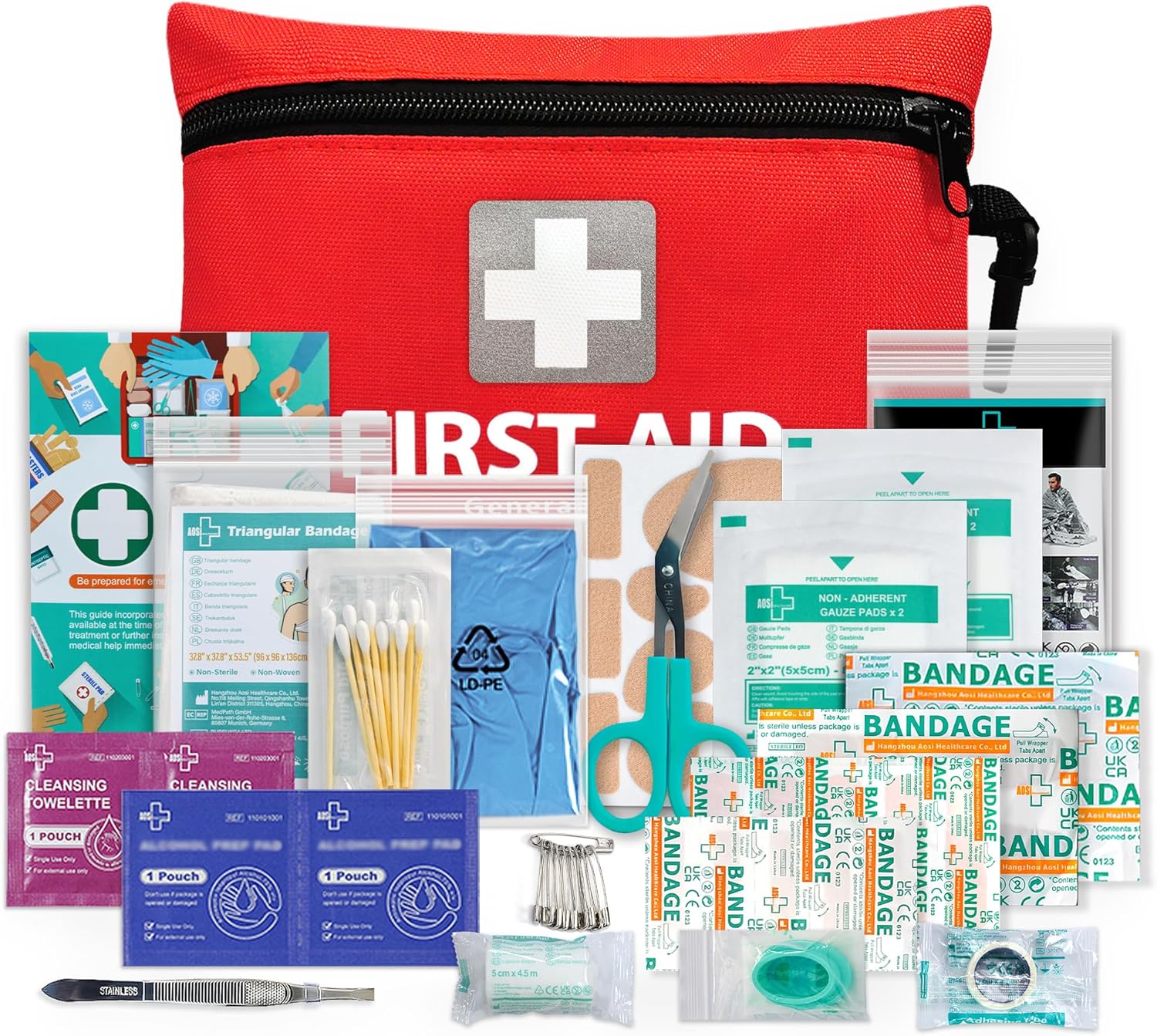
If you want the same idea even lighter, the General Medi 92-piece kit weighs around 160 grams and carries ISO 13485, CE and FDA approvals, with a foil blanket and scissors included. Reviewers describe it as smaller than expected but tightly packed, so unpack it carefully because the contents fill the pouch and need repacking with a bit of patience. It is a sensible choice for a backpack where every gram counts.
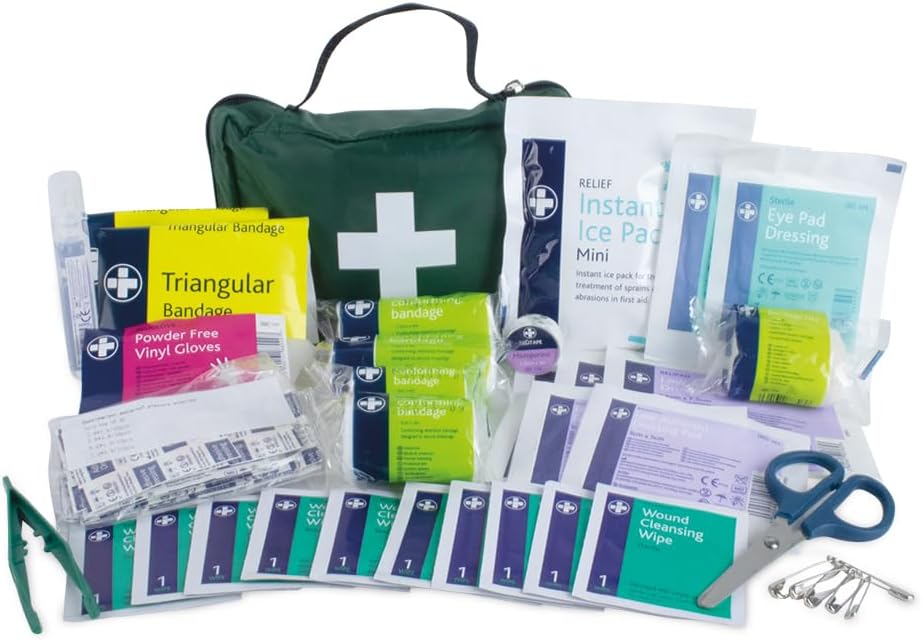
For a slightly roomier option that lives in the car, the Lewis-Plast 90-count kit comes in a compartmentalised bag with bandages, plasters, antiseptics, ice packs and eye pods. Buyers repeatedly say it ends up in the boot, and several mention buying a second one, which tells you the format suits both the campsite and the drive there. The multiple compartments make it quicker to find the right item than rummaging in a single stuffed pouch.
What the cheap kits miss
Budget kits are built to a price, and the savings come from the same places every time. Knowing the gaps lets you fix them for a couple of pounds.
The tourniquet is usually token
Many cheap kits list a tourniquet, but in practice it is often a thin rubber strap no wider than a 2p coin. One HONYAO buyer flagged exactly this, warning that the rubber would be useless in a real emergency. Treat any included tourniquet as a placeholder. Serious bleeding control is a skill and a kit of its own, not something a £10 pouch solves, so do not count on it.
The tools are basic
Scissors and tweezers in budget kits cut and grip well enough for tape and small splinters, but they are not precision instruments. A HONYAO reviewer noted the tweezers struggled to grip, which matters if you are pulling a tick. If you camp in tick country, a dedicated tick remover is worth adding.
There is rarely a blanket or whistle
The two items that turn a wound kit into an outdoor kit are warmth and the ability to call for help, and they are the first things value kits drop. They are also the cheapest to add, which makes leaving them out hard to justify. The next section covers both.
Blisters, burns and the camping-specific extras
Blisters are the single most common camping injury and the one a standard plaster handles worst. Pack proper blister plasters or hydrocolloid pads, which cushion the hot spot and stay put inside a boot. Catch a blister early, before it bursts, and you can usually keep walking.
What is a foil blanket for in a first aid kit?
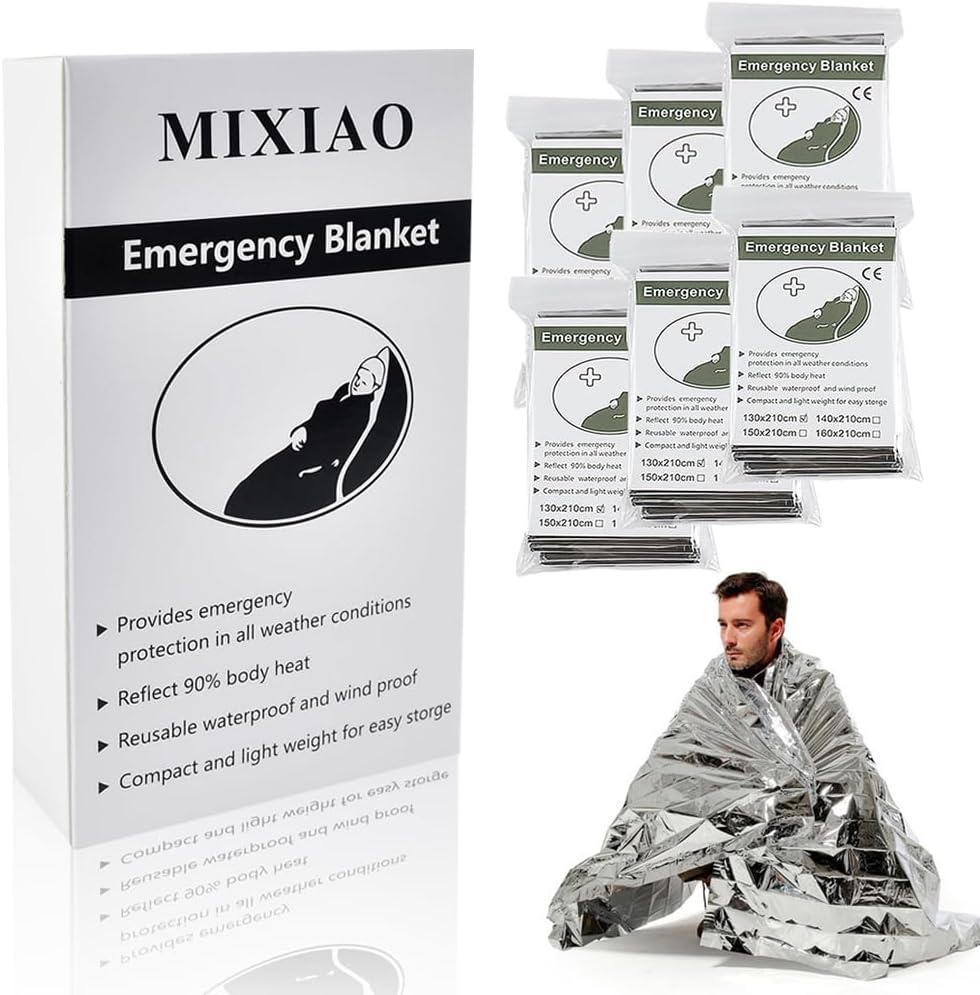
A foil blanket reflects body heat back at whoever is wrapped in it, which buys time if someone gets cold, wet or goes into shock while you sort out a problem. The MIXIAO 6-pack is the version we would carry: each blanket opens to 130 by 210 cm from 12-micron aluminised mylar and is rated to reflect up to 90 percent of body heat, yet each weighs about 56 grams. One reviewer kept theirs in the car for emergencies, another took them to cold concerts and queues.
Buy the six pack rather than a single. The foil is thin and tears if you yank it, so the spares mean you can actually use one without fretting about ruining your only blanket. A spare also works as a dry seat, a rain cover or a heat shield over a tent in hot sun.
Do I need a whistle in my first aid kit?
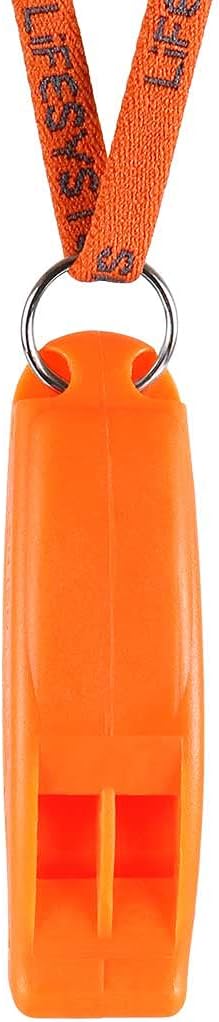
Yes, and it earns its place the moment you camp away from the car. A whistle carries much further than a shout and keeps working when you are too cold or too winded to make noise. The Lifesystems whistle is a UK standard for a reason: it is rated at 108 decibels, has a dual-tone pealess design that works wet, floats if you drop it in water and comes Duke of Edinburgh recommended. At around 13 grams on a lanyard, there is no weight excuse to leave it behind.
One honest caveat from the reviews: a minority of buyers found theirs needed a hard blow to sound off, so test yours at home and learn the distress signal, six blasts then a pause, before you rely on it. For most users it is a loud, simple, life-ready bit of kit.
One line of honesty before you pack: a first aid kit handles minor injuries, not emergencies. For anything serious, such as a deep wound, a suspected break or signs of severe cold, give first aid and call 999 or 112 rather than relying on a pouch.
Packing, storing and restocking
Keep the kit in one fixed, obvious spot so anyone in the group can grab it in seconds. A rucksack side pocket or a marked corner of the tent porch works, and a bright red case helps it stand out in low light. If you travel by car, a second small kit in the boot covers the journey and the walk from the car park.
Restock at the start of each season and after any trip where you opened something. Plasters last for years, but antiseptic wipes, creams and burn gel carry dates and dry out, so check those first. A two minute look before you pack beats discovering an empty wrapper when someone is bleeding.
One last point worth knowing for UK drivers: keeping a small first aid kit in the car has become a popular habit, and several reviewers buy these compact kits specifically to live in the glovebox or boot. It costs little and means you are covered on the drive as well as the campsite.
Frequently Asked Questions
What should a basic camping first aid kit contain?
A basic camping first aid kit should contain plasters in mixed sizes, sterile wound dressings, a conforming bandage, antiseptic wipes, blister plasters, scissors, tweezers, medical tape, disposable gloves and any personal medication. Add a foil emergency blanket and a loud whistle to cover cold and signalling. Most £8 to £10 shop kits cover the wound supplies but leave the blanket and whistle out.
Do I need a whistle in my first aid kit?
Yes, a whistle belongs in any kit you carry away from the car. A whistle carries far further than your voice and works when you are too tired or too cold to shout. The standard distress signal is six blasts, a one minute pause, then repeat. A £2.95 pealess whistle weighs about 13 grams and is the cheapest piece of safety kit you will ever pack.
What is a foil blanket for in a first aid kit?
A foil blanket reflects body heat back at the person wrapped in it, which helps slow heat loss while you wait for help or warm someone showing early signs of cold. It also doubles as a dry ground sheet, a rain cover or a wind break. The foil is thin and tears if handled roughly, so unwrap it slowly and pack a six pack so you can afford to use one.
How often should I restock a first aid kit?
Check your kit at the start of every camping season and after any trip where you used items from it. Replace anything you opened, and look at the dates printed on antiseptic wipes, creams and burn gel, which expire faster than plasters. A two minute check before you pack beats finding an empty wrapper when you actually need a dressing.
Is a shop-bought first aid kit good enough for camping?
A shop-bought kit is a strong starting point and far better than a handful of loose plasters in a rucksack pocket. The catch is that budget kits prioritise plasters and skimp on the items that matter outdoors, so the tourniquet may be token and there is rarely a blanket or whistle. Buy the kit, then top it up with blister plasters, a foil blanket and a whistle.
Where should I keep my camping first aid kit?
Keep it somewhere fixed and obvious so anyone in your group can find it in seconds, such as a side pocket of the main rucksack or a marked spot in the tent porch. A bright red case helps. If you camp by car, a second small kit in the boot covers the trips to and from the pitch.