
How to Stop an Airbed Going Cold at Night (And Stay Warm on Any Camping Trip)
A cold airbed is almost never about the weather or your sleeping bag. It is about what is, or is not, underneath you. This guide explains why air mattresses get cold from below and the cheap, proven ways UK campers fix it.
We earn commission from qualifying Amazon purchases. It costs you nothing and does not affect what we recommend.
Quick Answer
To keep an airbed warm camping in the UK, insulate underneath it, not just on top. Lay a foil-backed foam mat directly under the bed, foil side up, so the ground cannot pull heat away. Add a sleeping bag rated for the season and you will stay warm even on cold UK campsites.
Why your airbed feels like sleeping on ice
An airbed is one big chamber of air, and air is a terrible insulator once it starts moving. When the ground is cold, it chills the air inside the mattress through the thin vinyl base. That cold air then circulates under your body all night and draws your heat straight down into it.
This is convective heat loss, and it is why people who sleep warm on a sofa airbed indoors freeze on the same bed in a tent. The bed has not changed. The cold floor beneath it has. One reviewer of the Bestway single air bed summed it up after a two-week Scotland tour: the bed itself was reliable, but in the cold mountains at Glencoe they needed an insulating mat underneath to stay comfortable.
You feel it most between 3am and 6am, when the air temperature bottoms out and the ground has had all night to cool. No amount of extra blankets on top fixes a cold base, because the heat is escaping downward through the bed, not upward through the bag.
The fix: insulate underneath, not on top
The single change that solves a cold airbed is a layer of insulation between the bed and the ground. You want a material that traps air and does not compress, ideally with a reflective foil face that bounces body heat back up toward you.
Closed-cell foam is the standard answer. Unlike the open air inside the mattress, foam holds millions of tiny sealed air pockets that cannot circulate, so they form a barrier the cold ground cannot push through. Add a foil backing and you get a second mechanism: radiant heat reflection.
This is why the layering order matters. From the bottom up it goes: groundsheet, then foil-backed foam mat (foil side up), then the airbed, then you in your sleeping bag. Get that stack right and a £10 airbed will sleep warm in conditions that would otherwise have you shivering.
What to put under your airbed
You have two realistic options for the under-layer: a proper foil-backed foam mat, or a cheaper improvised stack of foil emergency blankets. Both work. One lasts for years, the other is a few quid you can keep in the car for emergencies.
What should I put under my air mattress when camping?
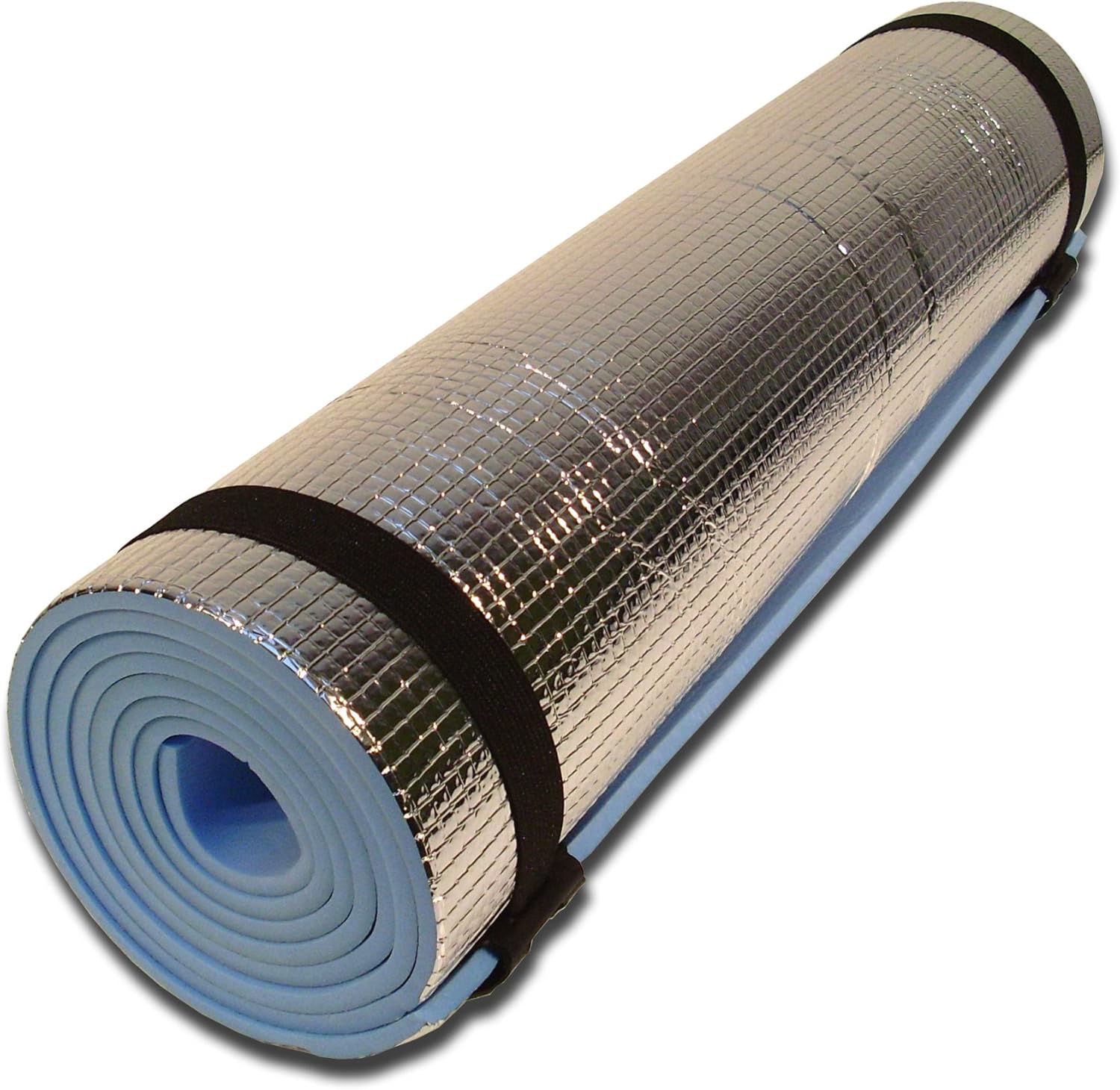
A foil-backed EVA foam mat is the best all-round answer. It is the exact product camping guides recommend for cold-from-below, and it doubles as puncture protection for the bed base. The Yellowstone EVA Camping Mat With Foil is a good example at around £6.69. It is a thin closed-cell mat with a reflective foil face, it rolls up small, and it weighs almost nothing.
The reviews back up the job it is built for. One camper used it specifically under an airbed for an extra layer to keep warm. Another noted a big difference between the temperature of the woodland floor and the surface of the mat. One has used the same mat for four years through winters down to minus five with a good sleeping bag. Lay it foil side up, directly under the bed, and it does its job.
One honest caveat: this mat is thin, so do not expect it to add cushioning. It is an insulation and protection layer, not a comfort layer, which under an airbed is exactly what you want.
The cheap foil-blanket hack
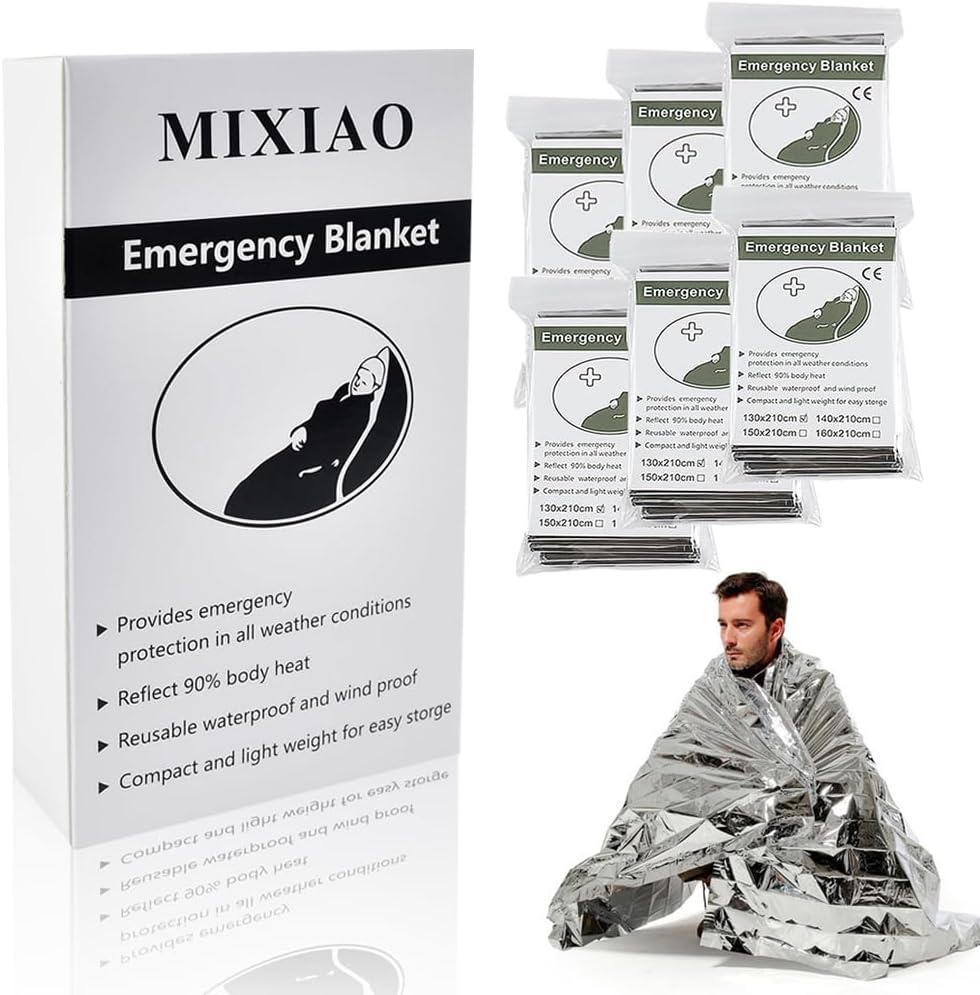
If you forgot the foam mat or want a backup, foil emergency blankets do a surprising amount of work. The MIXIAO Emergency Foil Thermal Blanket 6-Pack costs around £5.94 and the blankets are designed to reflect up to 90 percent of body heat. They are windproof and waterproof, so they also stop damp rising through the groundsheet.
This is not a theory we are guessing at. One reviewer reported using them under airbeds in their tent to get warmer at night. Stack two or three layers under the bed, or lay them between the groundsheet and a foam mat for a belt-and-braces setup. At this price you can keep a pack in the car boot and the camping box.
They are thin 12-micron mylar, so they will not last like a foam mat and they can tear if you drag them over rough ground. Treat them as a cheap insulating layer and an emergency item rather than a permanent fix.
A note on the airbed itself
The bed you choose changes how cold the night feels too. A single-chamber budget bed like the Bestway Single Air Bed at around £10 holds a large pool of air close to the ground, so it benefits most from a foam mat underneath. It is vinyl with a coil-beam build, comes with a repair patch, and does not include a pump, so factor in an inflator.
A taller double like the OlarHike Double Airbed at around £59.98 lifts you 46cm off the floor with a built-in pump that inflates in three to four minutes. Height helps a little, but even here the air gets cold. A reviewer who used theirs as a guest bed for two years noted the air inside got chilly at night and adding a mattress topper made a world of difference. The lesson is the same at every price: insulate the bed, do not just buy a bigger one.
Getting the layers on top right
Once the base is insulated, the sleeping bag finishes the job. The bag traps warm air around your body, but only if it suits the conditions, so match the rating to the season rather than trusting the marketing on the label.
Does a sleeping bag keep you warm on an airbed?
It helps, but it cannot do it alone. When you lie down, your weight crushes the bag's filling flat underneath you, so the insulation that matters most is the bit you have just squashed. That is the whole reason the under-bed layer is non-negotiable.
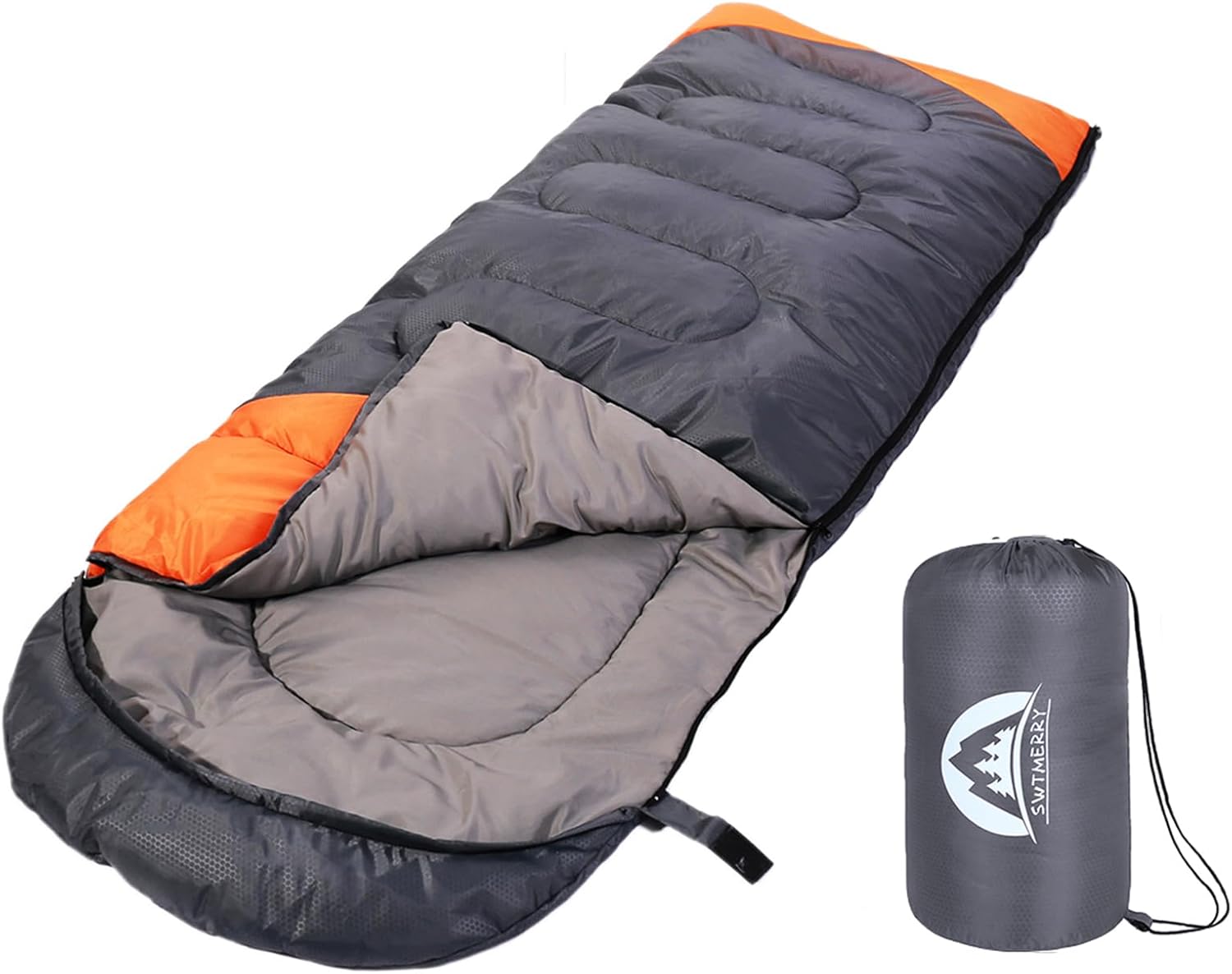
For UK three-season use a bag like the SWTMERRY Sleeping Bag 3-4 Season at around £25.99 covers spring through autumn. It uses a double-filled hollow-fibre design with a comfort range around 10 to 20C, which is realistic for a mild UK night rather than a frosty one. Reviewers rate it as a warm, roomy bag for the money, with the main grumble being a fiddly zip, so close it gently. For deep winter you would step up to a colder-rated bag.
Two quick top-side tricks help on a borderline night. Wear dry base layers and clean socks to bed, never the damp ones you walked in, and pop a hot water bottle by your feet 20 minutes before you turn in. Neither replaces under-bed insulation, but both buy you comfort for the first few hours.
Common mistakes that keep you cold
The biggest error is piling more blankets on top while ignoring the base. It feels logical and it does almost nothing, because the heat is leaving through the bed underneath you, not through the bag above you.
The second mistake is putting the foam mat on top of the airbed instead of under it. The mat belongs between the bed and the ground, where it blocks the cold path. On top of the bed it just gets in the way.
The third is over-inflating the bed rock hard. A drum-tight airbed has less give, so your body presses against a thin taut surface with cold air right behind it. Leave it slightly soft so the surface cradles you and traps a little more warmth. And if your bed deflates overnight, that is a leak to repair, not a warmth problem, so patch it before you blame the cold.
Frequently Asked Questions
Why does my airbed get cold underneath at night?
The air inside the mattress cannot warm up because the cold ground constantly cools it through the thin vinyl base. Your body heat is then pulled down into that cold air all night, a process called convective heat loss. The bed feels colder than the tent floor because the large air chamber works like a radiator against you.
What can I put under my airbed to keep warm?
Put a closed-cell foam mat with a foil backing directly under the airbed, foil side facing up. A cheaper option is a stack of foil emergency blankets beneath a foam mat. Both create an insulating barrier that stops the ground stealing your heat, and a foil-backed EVA mat is the most durable and reusable choice.
Does a sleeping bag keep you warm on an airbed?
A sleeping bag helps but cannot fix a cold airbed on its own. The bag insulates the top and sides of your body, while the cold comes up through the base where your weight compresses the filling flat. You need insulation under the bed as well as a bag rated for the season on top.
Should I put a foam mat under my air mattress?
Yes. A foam mat under your air mattress is the single most effective fix for a cold airbed, and it protects the base from sharp stones and punctures at the same time. A foil-backed EVA mat costs only a few pounds and reflects body heat back upward, so place it foil side up directly beneath the bed.
Do hot water bottles work in a tent?
Hot water bottles work well as a short-term warmer, especially placed by your feet 20 minutes before bed. They lose their heat within a few hours though, so they are a top-up rather than a real solution. Sort out the insulation under the airbed first, then use a bottle for extra comfort.
How cold is too cold for an airbed in a tent?
With a foil-backed foam mat underneath and a three-season bag on top, a well-set-up airbed is comfortable down to around 5C in the UK. Below freezing you want a self-inflating or insulated camping mat and a colder-rated bag. The airbed is rarely the limit, the insulation around it is.