
How to Keep Insulin Cool While Camping in the UK
Published 5 August 2026
A UK camper's guide to keeping insulin at a safe temperature on a campsite: the fridge and room-temperature limits, the no-freeze ice pack rule, and cooling wallets for off-grid trips.
We earn commission from qualifying Amazon purchases. It costs you nothing and does not affect what we recommend.
Quick Answer
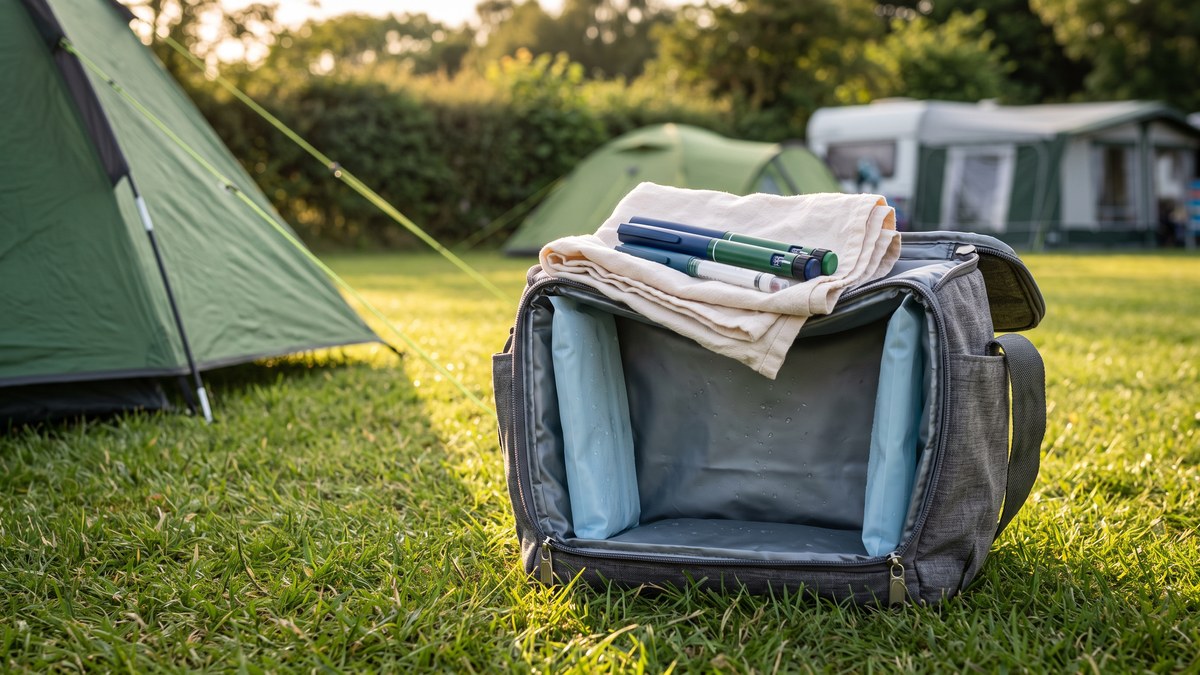
Keep spare, unopened insulin as close to fridge temperature (2°C to 8°C) as you can, and keep your in-use pen at room temperature below 25°C for no more than 28 days. On a UK campsite that means a cool box or cool bag with frozen ice packs, but with the insulin wrapped in a cloth so it never touches the ice and freezes, because frozen insulin is ruined. For off-grid or hot-weather trips where you cannot refreeze packs, an evaporative cooling wallet holds insulin at a safe 18°C to 26°C for days with no power.
Camping does not have to be off limits because you use insulin. The one part that needs a bit of planning is temperature, because insulin is a protein medicine that stops working properly if it gets too warm or if it freezes. Get the cooling right and everything else on the trip is just ordinary diabetes management in a nicer setting.
This guide sets out the temperatures that matter, what to pack, and how to hold insulin at a safe temperature on a British campsite using a normal cool box and ice packs, plus what changes when you are wild camping, off grid or caught in a hot spell. It also covers the single most common mistake people make, which is letting insulin touch a frozen ice pack and quietly ruining it.
One thing first: this is general guidance for UK campers, not medical advice. The patient information leaflet inside your insulin box is the final word on your specific brand, and your diabetes team knows your situation. Follow those over anything here if they differ.
Know the Temperatures Insulin Needs
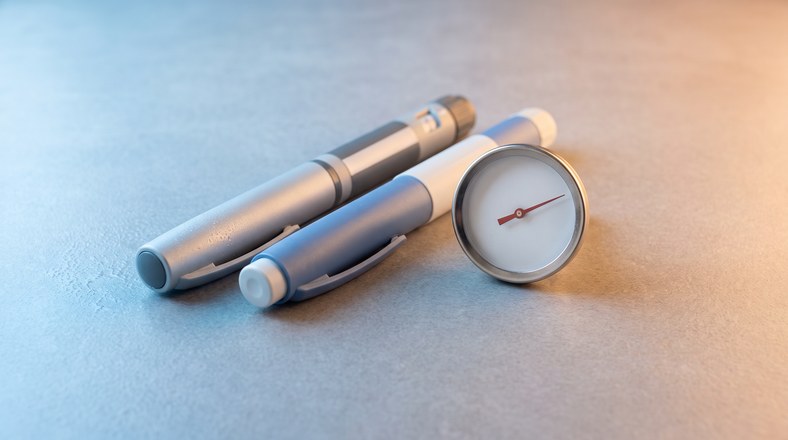
Insulin comes in two states on a camping trip, and they have different rules. Getting these numbers straight is what everything else depends on.
Spare, unopened insulin
Any pen, cartridge or vial you have not started yet belongs in the 2°C to 8°C fridge range right up until you first use it. At home, keep it clear of the coldest parts of the fridge, since the shelf nearest the freezer box can dip below zero and freeze a pen. This is the insulin that needs the most care on a trip, so keep it as cold as you can manage while you are away.
The pen you are currently using
Once you start a pen, cartridge or vial, you can keep it at room temperature, below 25°C, for up to 28 days, then discard whatever is left. Some insulins are fine up to 30°C and some have a shorter or longer in-use window, so treat the patient information leaflet for your brand as the final word. Note the opening date on the pen itself so you are not guessing later.
The two limits that ruin insulin
- Never let it freeze. Freezing damages insulin permanently. If a pen or vial has frozen, dispose of it (your pharmacy will take it back), even after it has thawed and looks normal again. This applies to your spare fridge-cold supply just as much as the pen in use.
- Keep it out of sustained heat. Above roughly 30°C, and especially in direct sun, insulin starts to break down and may not control your blood sugar properly. A tent in full sun, a car boot or a spot next to the camping stove can all pass 30°C on a warm British afternoon far more easily than people expect.
Keep insulin out of direct sunlight at all times, whether it is chilled or at room temperature. A dose taken straight from cold storage can nip going in, so many people leave the in-use pen out to reach room temperature before injecting, which is fine as long as it stays below 25°C.
Pack and Prep Before You Leave
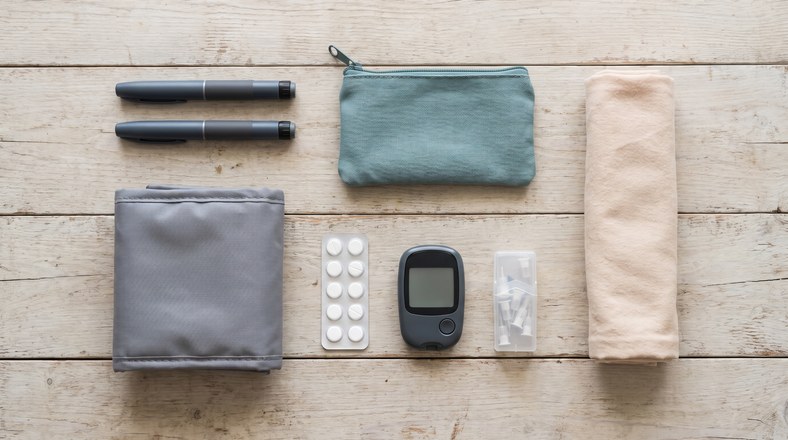
A calm trip is mostly decided at home, the day before you go. Sort the cooling kit and the backups now and there is far less to think about on the pitch.
Carry a backup supply
Pack noticeably more insulin than the trip should need, ideally close to double, and keep the spare in a separate bag from your everyday pen. Trips run long, kit goes missing and plans change, and a spare pen means a thawed ice pack or a dropped vial never ends the weekend. Take a recent prescription too, so you can replace insulin locally if you have to.
Bring hypo treatments and the rest of your kit
More walking, less sleep and different mealtimes all push blood sugar around, so carry a generous supply of quick sugar, whether that is glucose tablets or a carton of juice, and keep some within reach rather than buried in the car. Bring your meter or sensor, spare needles, and a small first aid kit. Anyone who gets bad hypos, or who is heading somewhere remote, should ask their diabetes team about carrying a glucagon kit.
Choose how you will keep it cool
There are two sensible approaches, and plenty of people take both:
- A cool box or cool bag with ice packs. Simple, cheap and effective for any trip where you can refreeze the packs, such as a campsite with a freezer at reception or a hook-up pitch. This is the workhorse for most UK camping.
- An evaporative insulin cooling wallet. These are activated with cold water and hold insulin at roughly 18°C to 26°C for days with no fridge, no freezer and no power. Crucially they cannot freeze insulin, which makes them ideal for wild camping and longer trips where refreezing an ice pack is not an option. We do not sell one, but they are widely available and genuinely useful.
Keep insulin with you in transit
On the way to the site, insulin travels with you in the cabin or footwell, never in a hot boot or on a sunny parcel shelf. If you are flying to a UK spot, carry it in your hand luggage and ask your GP or diabetes clinic for a short letter confirming you carry insulin, pens and needles.
Keep It Cool at Camp Without Freezing It
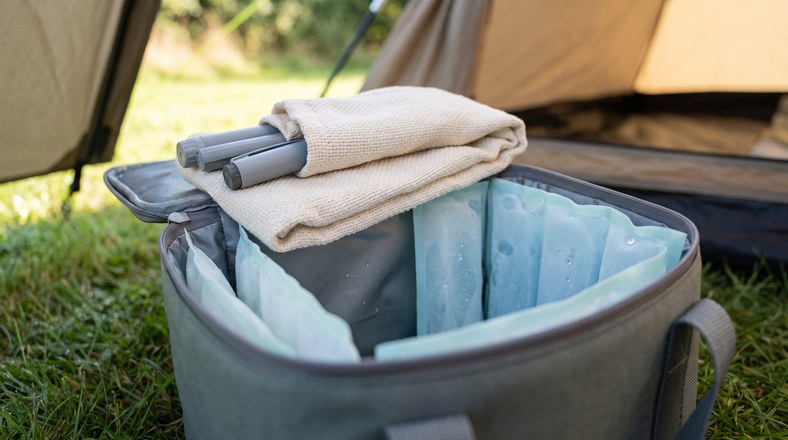
A cool box does not make cold, it only holds the cold you put into it, so the job at camp is to load it cold and then stop that cold leaking away. The twist with insulin is that you also have to protect it from the ice packs themselves.
The no-freeze buffer rule
This is the mistake that ruins more insulin than heat ever does. Frozen ice packs sit well below 0°C, so insulin resting against one will freeze and be ruined, even though the air in the box feels fine. Always keep a buffer between the two. Wrap the pens in a clean cloth, tea towel or sock, or sit them inside a rigid container, and pack them near the top of the box away from direct contact with any frozen block. If a pack has thawed to fridge-cold, gentle contact matters less, but a solid frozen block should never touch the insulin.
Load the box to hold its cold
- Pre-chill everything. Freeze the ice packs solid for a full day and chill the empty cool bag overnight before you pack it, so the insulin is not warming a warm box.
- Use slim packs you can position. Flat blocks that slot down the sides are far easier to keep at a safe distance from the insulin than one big brick you have to wedge around it.
- Pack it full. Air warms quickly, so fill the gaps with other chilled items or a folded cloth. A full box holds its temperature much longer than a half empty one.
Site the box like you mean it
Keep the cool box in permanent shade, under the tent awning or a table, and move it as the shadow moves through the day. Lift it off sun-warmed grass on a foam mat or groundsheet, keep the lid shut as much as you can, and never leave it in a parked car, which can pass 30°C within the hour on a mild day. Keeping drinks and snacks in a separate bag means the box holding your insulin is barely opened.
Handle Hot Weather, Wild Camping and Long Trips
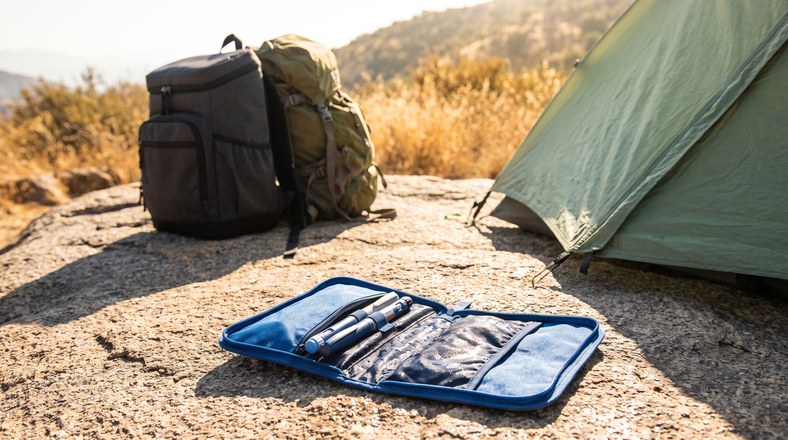
The plan above covers most UK camping. Three situations need a bit more thought: a genuine hot spell, going off grid, and trips long enough that a single freeze of the ice packs will not last.
Hot UK weather
British summers can push past 30°C now, and a tent in full sun sits hotter still. In that heat, refresh or refreeze your ice packs more often, keep the cool box in the deepest shade you can find, and consider moving your spare insulin into an evaporative wallet during the hottest part of the day so it cannot cook. Check the actual temperature of the box rather than trusting how it feels to the hand.
Wild camping and off-grid trips
With no freezer to refreeze ice packs, a cool box slowly loses the battle after a day or two. This is where an evaporative cooling wallet earns its place: rewet it with any cold water, a stream or a tap will do, and it keeps insulin at roughly 18°C to 26°C for days without power. Because it physically cannot freeze insulin, it removes the buffer worry entirely, which is why many people who use insulin rely on one for backpacking and wild camping. One caveat worth knowing: spare insulin kept at wallet or room temperature is using up its room-temperature window, so treat it as if it were in use and get through it within that time rather than returning it to the fridge and trusting the printed expiry date.
Multi-day and family trips
For longer stays with a car, a higher performing cooler that holds its ice for two days or more takes the pressure off, especially in warm weather. Reviewers of well insulated cooler backpacks report ice still frozen after around two days even in fierce 35°C heat, which is exactly the margin you want protecting a spare insulin supply. Carry a second set of ice packs so there is always cold in the box while the first set refreezes at the site freezer, and keep using the cloth buffer so nothing touches a solid block.
What to Do If Insulin Gets Too Hot or Freezes
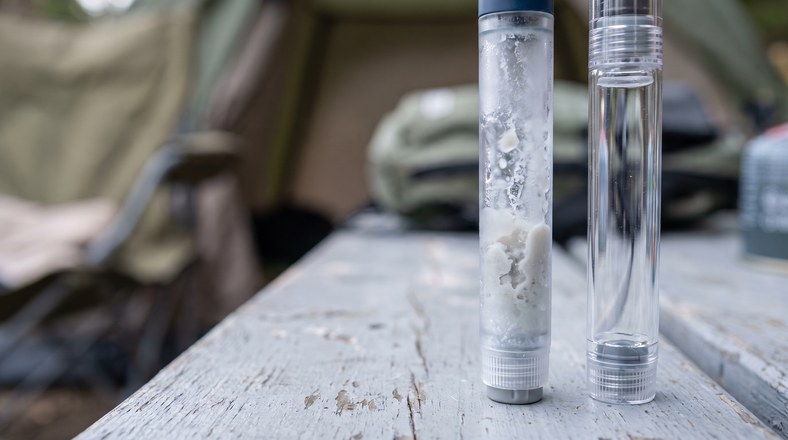
Sometimes it happens anyway: a pack freezes a pen solid, or the box sits in the sun while you are off on a walk. Knowing what is still safe to use protects both your health and your supply.
Inspect before every injection
Get into the habit of looking at the insulin in good light before you use it. Clear insulins should stay clear and colourless. Discard the pen or vial if you see any of these signs:
- Frosting, ice crystals or a slushy texture, which mean it has frozen
- Clumps, lumps, strings or floating particles
- A cloudy look in an insulin that should be clear, or any unusual discolouration
- Cloudy insulins, such as some mixes, that stay grainy or clumped after gentle mixing rather than turning evenly milky
If it has frozen
Dispose of it, and your pharmacy will take it back. Frozen insulin is ruined for good, even if it thaws and looks completely normal again, so do not be tempted to use it. Switch to your backup supply and top your spares back up as soon as you can.
If it has overheated
Insulin that has sat above about 30°C, or in direct sun, for a sustained period may have lost potency even when it looks fine. If you have good reason to think a pen has cooked, switch to a fresh one and set the suspect pen aside to replace, rather than waiting to see how it behaves. Blood sugar running unexpectedly high despite normal doses is a confirming sign, not the thing to wait for.
When in doubt, replace it
Insulin is far cheaper to replace than a ruined trip or a health scare, which is exactly why you packed a backup. If you are unsure whether a pen is still good, use a fresh one and contact your pharmacy or diabetes team for advice. Remember that this is general guidance rather than medical advice, so always follow the patient information leaflet for your insulin and the advice of your own diabetes team.
Frequently Asked Questions
Can I use a normal cool box for insulin?
Yes. A normal cool box or cool bag with frozen ice packs is fine for insulin on most UK camping trips, as long as you keep the insulin wrapped in a cloth and away from direct contact with any solid frozen block so it cannot freeze. You do not need a medical-grade cooler for a standard campsite where you can refreeze the packs. Where a normal cool box struggles is off-grid trips with no way to refreeze, and that is where an evaporative cooling wallet is worth having.
How long does insulin last out of the fridge?
Once you start using a pen, cartridge or vial, you can keep it at room temperature, below 25°C, for up to 28 days, then discard whatever is left. Some insulins allow up to 30°C or have a different in-use window, so check the patient information leaflet for your brand. Spare, unopened insulin should stay at fridge temperature, 2°C to 8°C, until the day you first use it.
What happens if insulin gets too hot or freezes?
Both damage it. Freezing ruins insulin permanently, so any pen or vial that has frozen must be thrown away even after it thaws and looks normal. Sustained heat above about 30°C, or direct sun, breaks insulin down so it may not control your blood sugar properly. Inspect it before use, discard anything with frosting, crystals, clumps or discolouration, and switch to your backup supply.
Do I need a special insulin cooler for camping?
Not for most trips. A pre-chilled cool box or bag with ice packs, plus a cloth buffer so nothing freezes, keeps insulin safe wherever you can refreeze the packs. A special cooler is genuinely useful in two cases: an evaporative cooling wallet for wild camping and long off-grid trips, because it needs no power and cannot freeze insulin, and a high-performance cooler that holds ice for several days on long trips in hot weather. This is general guidance, not medical advice, so follow your insulin leaflet and diabetes team.
Related Reading
- Festival Cans, Frozen Food Runs and a 12-Hour Beer Test review
- The Slim Freezer Blocks That Slot Between Your Sandwiches review
- Ice Still Rattling After Two Days in 35° Heat review
- How to Keep Food Cold When Camping in the UK
- The Best Camping Lights for UK Campsites: Head Torches, Torches and a Lantern Compared
Disclaimer: This article contains Amazon affiliate links. We may earn a small commission from qualifying purchases at no extra cost to you.