
The Slim Freezer Blocks That Slot Between Your Sandwiches: 1ABOVE Reviewed
We earn commission from qualifying Amazon purchases. It costs you nothing and does not affect what we recommend.
Most freezer blocks are chunky bricks that eat half your cool bag. These 1ABOVE ones are deliberately thin, so they slide between your drinks and sandwiches instead of squashing them. We dug through 100 reviews to find out what that thinness costs you.
- Why thin is the whole point
- The lunchbox crowd absolutely love these
- Picnics, the beach and a UK summer's day
- Where they get used that the listing never mentions
- The limits: how long they actually stay frozen
- Leaks, shape and the odd missing block
- Freezing them properly so you get the best out of them
- Should you buy them?
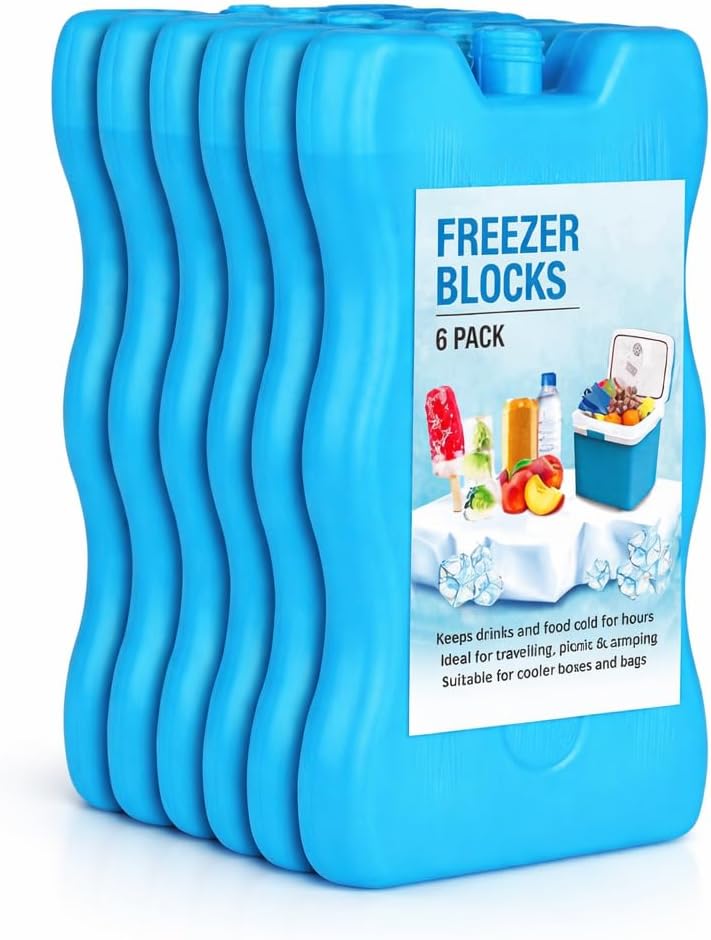
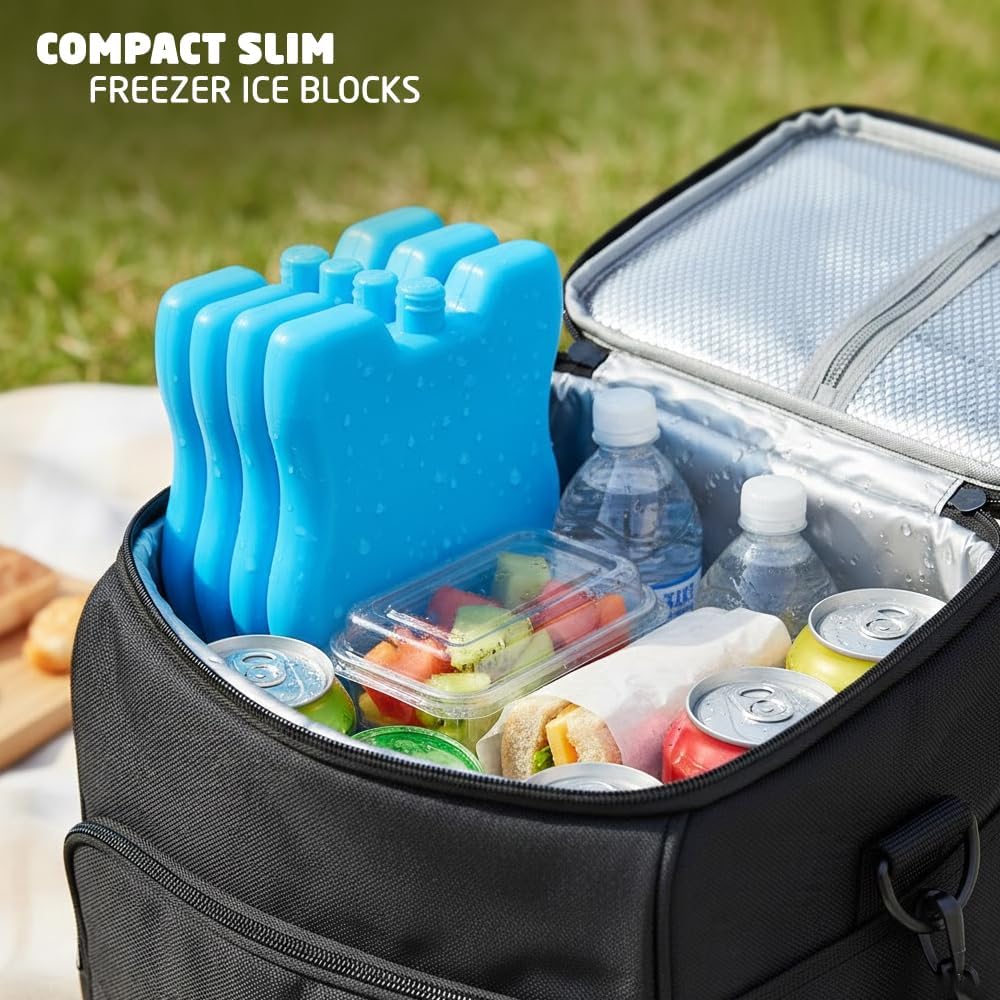
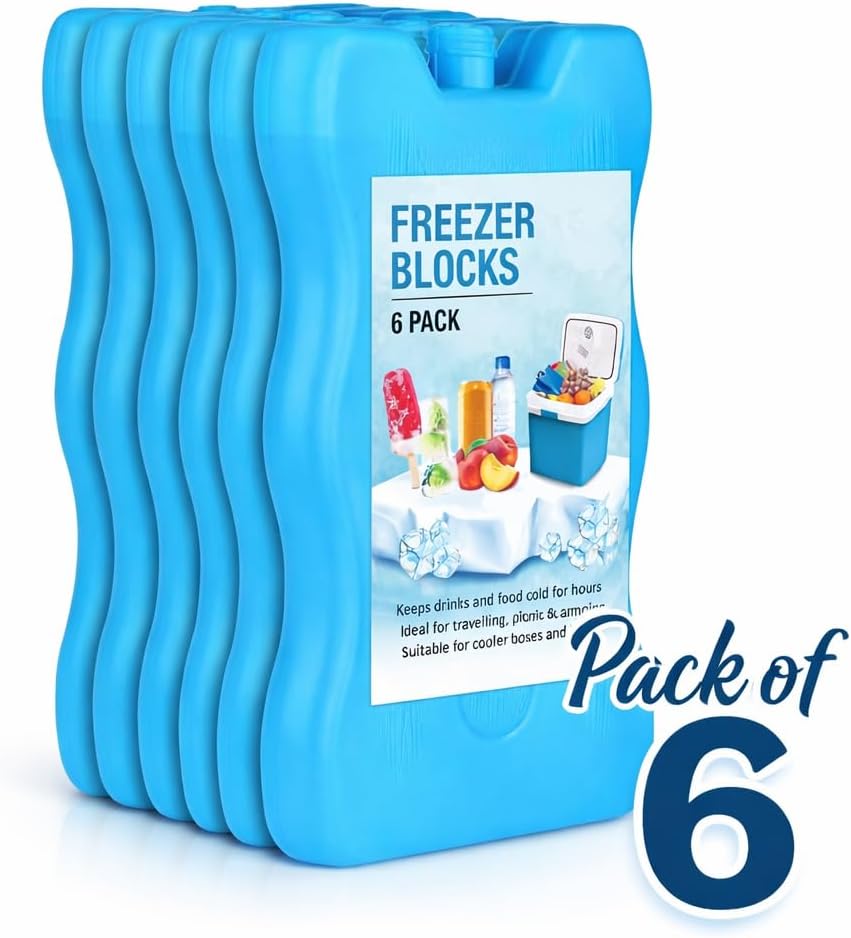
Open most freezer blocks out of the packaging and you get a thick plastic brick that wants to be the main character in your cool bag. Pack a couple and suddenly there's no room for the actual food. The 1ABOVE Freezer Blocks take the opposite approach. They are flat and slim, designed to slot in between your milk carton and your sandwiches rather than shoving everything to one side.
At £6.49 for six, they sit at the cheap-and-cheerful end of the shelf, which always raises the question: what are you giving up? We went through 100 customer reviews to map out exactly where these slim blocks shine and where they run out of puff. If you camp, picnic, or just want your packed lunch to survive until midday, here's what we found.
Why thin is the whole point
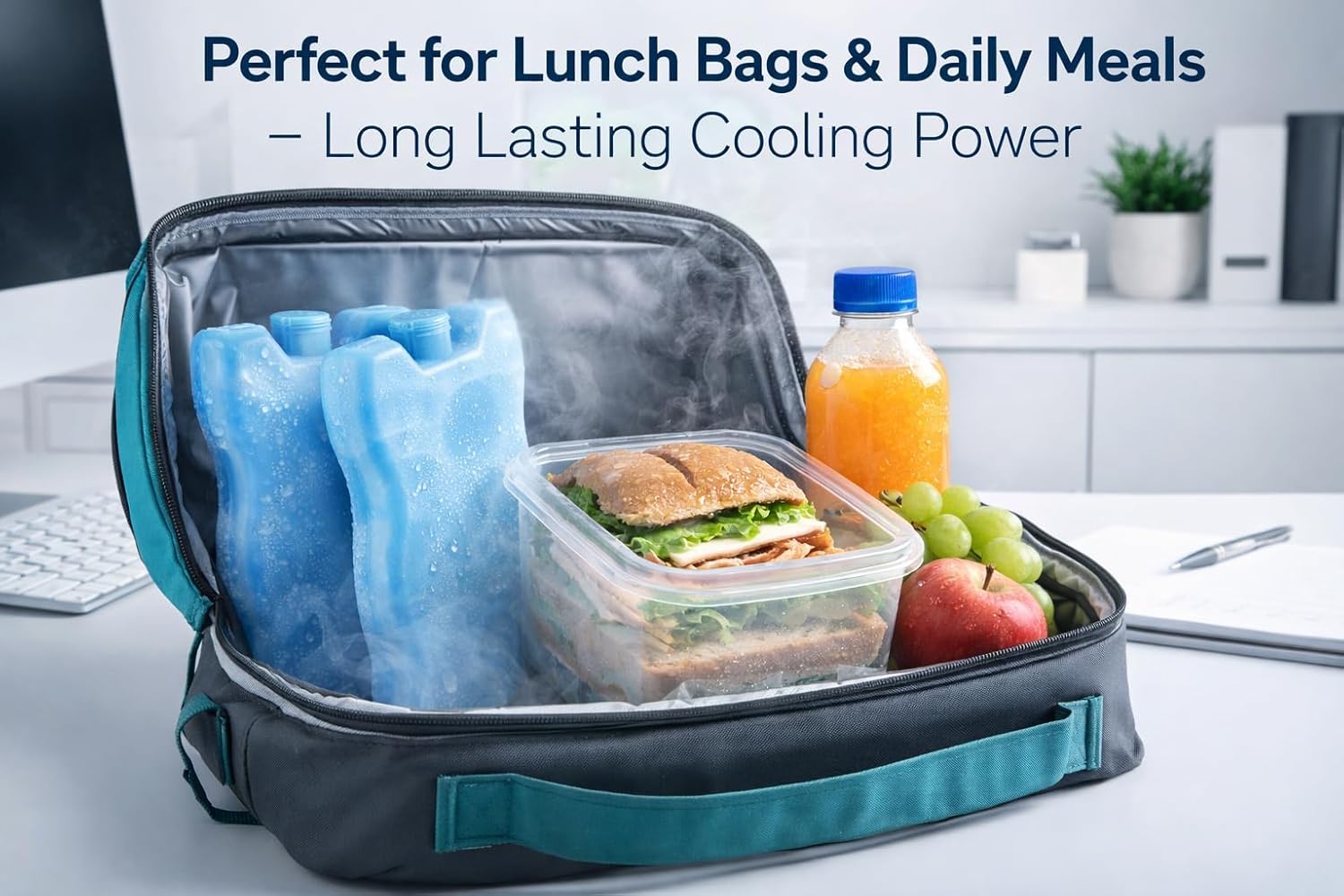
The single most repeated word across these reviews is some version of slim, thin or compact. That isn't an accident, it's the reason most people bought them. A standard chunky freezer block forces you to build your cool bag around it. These do the opposite.
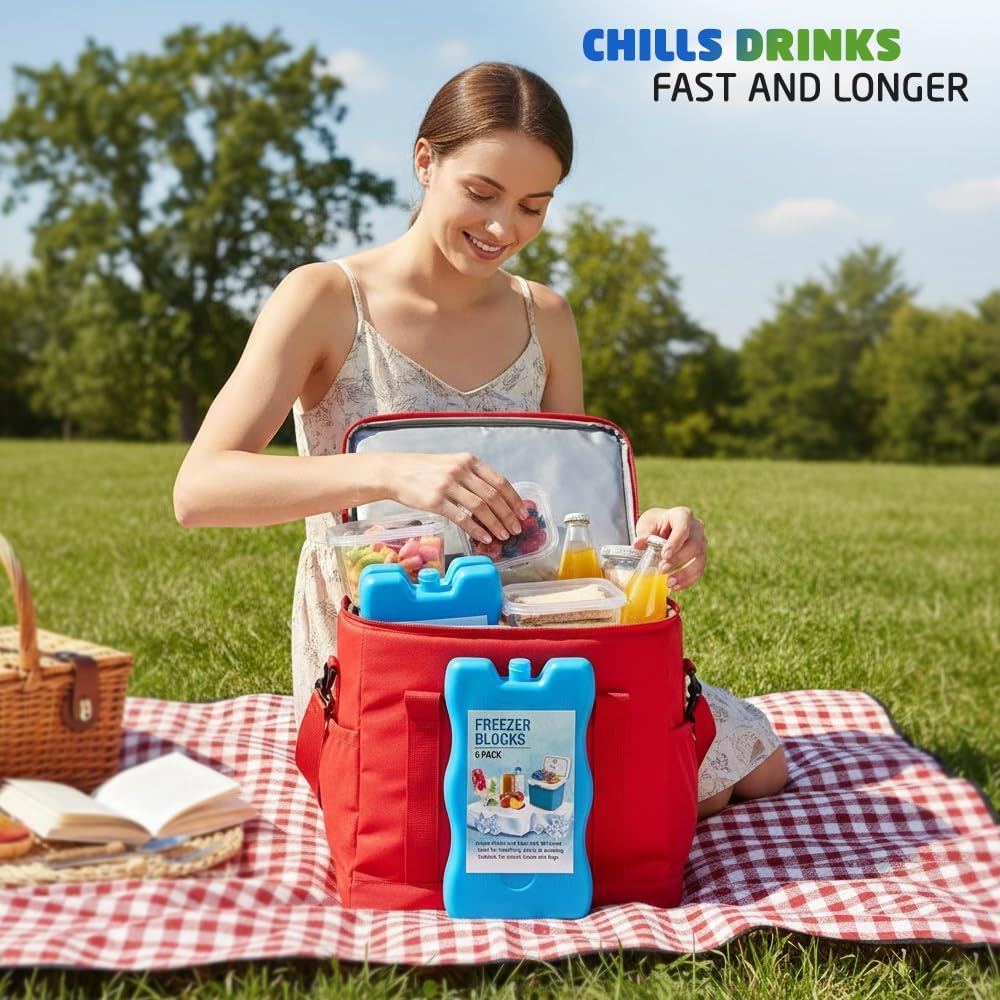
Peter Gibbs kept his review to three words: "Great slim design." Metalhip described them as "just the job for sliding between drinks and milk cartons." rebecca made the practical case better than the marketing copy does, noting they're "thinner than usual ones so can be put between things as well as on the edge of a cooler bag." Mr John E Hammonds bought them specifically because the "slim dimensions make them easy to fit into lunch boxes or slot down between food in larger cool boxes."
The trade-off, and there always is one, is surface area versus volume. A thin block has less cooling gel inside it than a fat one, so it has less total cold to give. The flip side is that a thin block touches more of your food because you can tuck it flat against things. For short trips and lunch bags, that contact matters more than raw volume. For a full day in a big cool box, the volume starts to matter more, which we'll come back to.
The lunchbox crowd absolutely love these
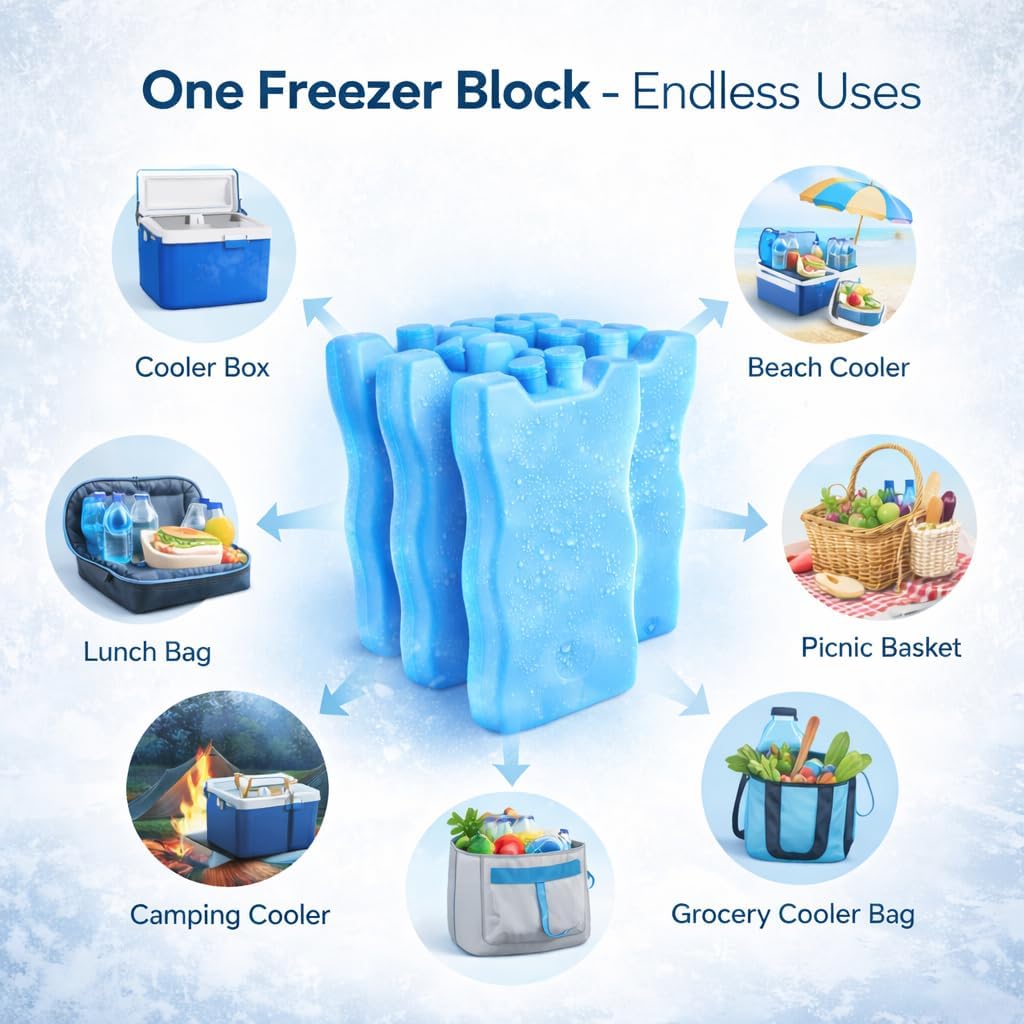
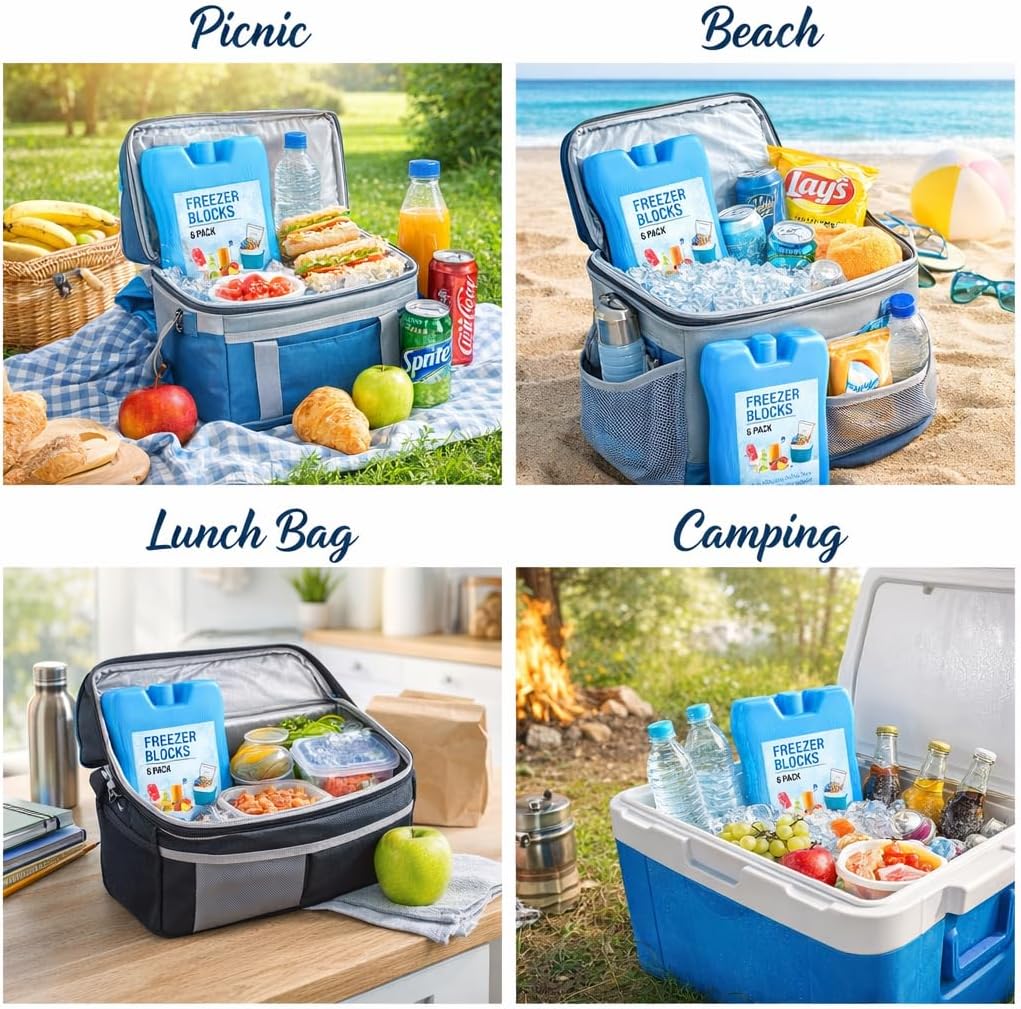
If you want one ice pack to keep a packed lunch cold from the morning commute through to your break, this is the use case where the reviews get most enthusiastic. Chris summed it up with the line that probably sells the most units: "My lunchbox stays cold from 5am to midday with just one of these!"
Phoebe C. ran a more careful test, using two blocks in a coolbag: "I put them in at 6am and the packs are still cold by midday." Vanessa Thompson reported they work "great in school lunches" and freeze fast. For the school-run and office-lunch market, a pack of six means you can rotate, keeping some in the freezer while others are in the bag, so there's always a cold one ready.
The flat shape pays off here too. A lunchbox is shallow, and a chunky block either won't fit or pushes your sandwich into a sad squashed shape. A thin one lies flat across the bottom or down one side. It's a small thing that makes a daily difference.
Picnics, the beach and a UK summer's day
Push into longer outings and the blocks still hold up well, provided you pair them with a decent insulated bag rather than expecting miracles from the packs alone. Charlotte D got a strong result: combined with a cooler bag, they "kept our food and drink ice cold for hours in 22°c sunshine." That's a realistic British summer temperature, not a fantasy heatwave, which makes it a useful benchmark.
Judith pushed it further, packing drinks at 12 noon and finding them still cold when she got home at 20:00, though she sensibly flagged that the drinks were inside a cooler bag too. That pairing point comes up again and again: the block does the cooling, the insulated bag does the keeping. Stargazer used them to carry meat in a cool box and found they "stayed cold for a very long time."
For beach trips and park picnics where you're out for the afternoon, the consensus is they do the job comfortably. The slim shape means you can line a cool bag with several and still have room for the food and a couple of cans.
1ABOVE Reusable Freezer Blocks (Family Pack of 6)
Slim, lightweight freezer blocks that slot between your food instead of squashing it. Ideal for lunch boxes, cool bags and day picnics.
Where they get used that the listing never mentions
Half the fun of reading 100 reviews is spotting the uses nobody planned for. These blocks have ended up well outside the lunchbox.
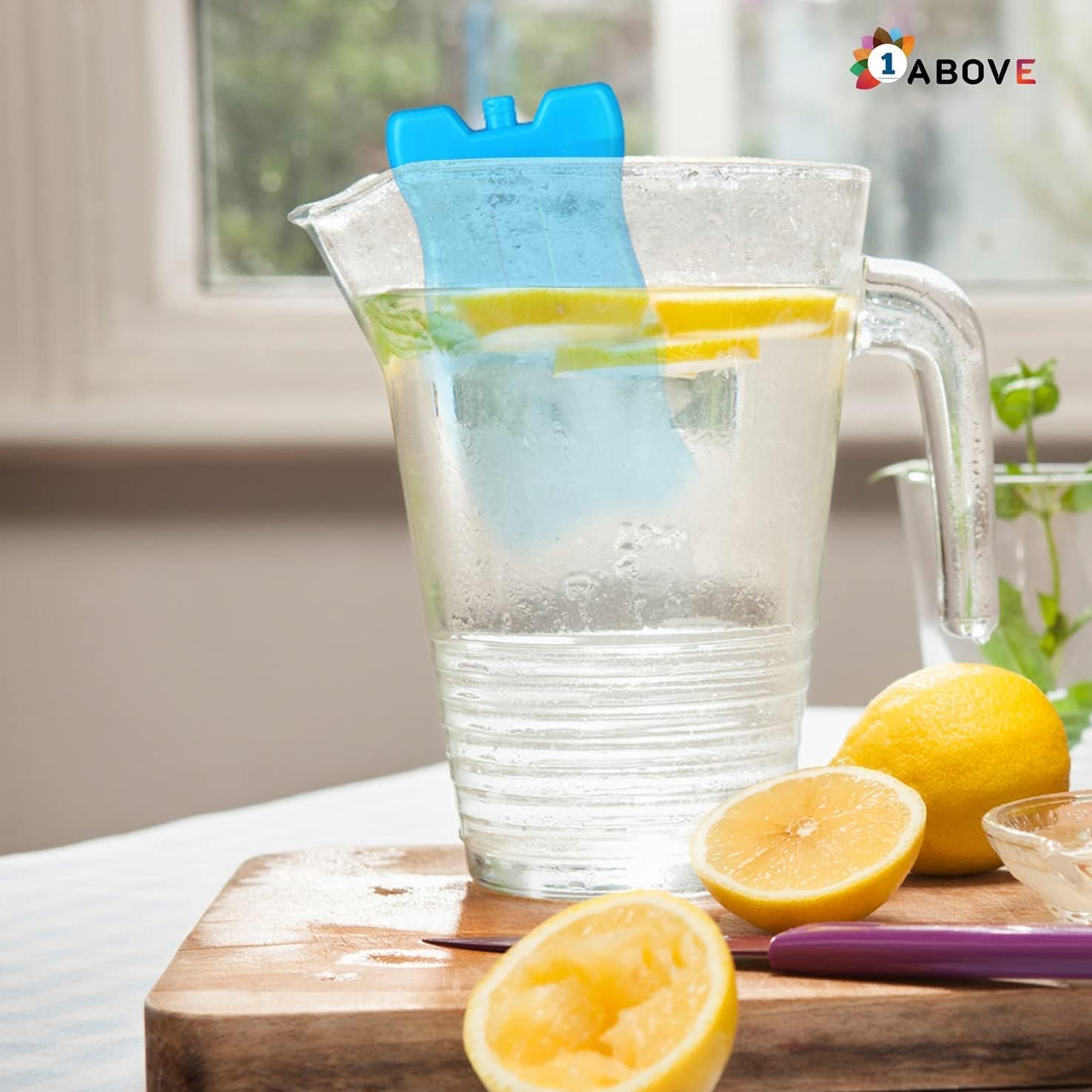
lil-stephx bought them for the guinea pigs: "We have guinea pigs who live outside in a hutch during spring/summer. They are great for cooling the guinea pigs down when it gets hot. I cover these in an old sock and stick them in the hutches." william riach uses them "to keep my aquarium cool on hot summer days." Josh and a couple of others drop them into the water tank of an air cooler to drop the output temperature, with Josh reporting "good quality, had no issues."
Hanna keeps a set frozen as a backup for power cuts, calling them "good to have when electricity goes," and Mr John E Hammonds used them to hold his food while he defrosted the freezer. None of this is the camping-and-picnic pitch on the box, but it tells you the blocks are versatile enough to earn a permanent spot in the freezer door for whatever comes up.
The limits: how long they actually stay frozen
Now the counterweight. The most consistent criticism is about duration, and it follows directly from the slim design. Less gel means less staying power, and a chunk of reviewers ran into that wall.
TT needed something to last four hours in a cool box and was let down: "as they are small and thin they don't stay frozen very long. We needed something to stay frozen for 4 hours in a cool box and it didn't happen." annie found the cold gone "within three hours in a cool bag." Jim felt they were "too small to be of any usefulness except for a packed lunch" and couldn't keep beer cold in a box. Bex had the oddest result, with the blocks defrosting overnight on a camping trip while a separate set of ice bags lasted three days in the same conditions.
The pattern is clear enough to plan around. For a packed lunch or a few hours at a picnic, they're reliable. For a full day or an overnight camp where you need things rock-solid frozen for 12 hours plus, you either need a lot of them or a chunkier block alongside. Going in with the right expectations is the difference between a five-star and a two-star experience here.
Leaks, shape and the odd missing block
Two other gripes are worth flagging before you buy. The first is durability. Most reviewers report no leaks at all, and several specifically praise the no-mess sealing: MISS HOLLY HINCHEY noted "they don't leak which is great, no one likes a soggy cool box." But a minority hit problems. Chloe Hopkins received a pack where "one had a hole and had leaked everywhere," and one reviewer found a block "worked fine for two goes then split and leaked." Gadget Man flagged that almost all of his "distorted when I froze them for the first time," though he still credited the cooling.
The second is fulfilment. A couple of buyers received the wrong count: LS got five blocks instead of six, and Amanda Sherwin ordered two packs and only received one. These look like packing slip-ups rather than a fault with the product, but it's worth counting yours when they arrive and contacting the seller if anything's short.
None of this is universal, the leak and shape complaints are a clear minority against a wall of people who had no trouble. But at this price point you're buying value, not armour, so treat them gently and don't overfreeze on the first go.
Freezing them properly so you get the best out of them
A surprising number of disappointments trace back to freezing technique rather than the product. 1ABOVE recommends laying them flat in a freezer set to -18°C or below for 8 to 12 hours, and a full 24 hours for the very first freeze. The gel solidifies internally, so don't panic if you can't see ice crystals, they're frozen solid inside even when the surface looks normal.
One reviewer learned this the hard way and passed on the tip: separate the blocks before they go in the freezer rather than freezing them as a stuck-together slab, otherwise "you take out a set that are cold but not frozen in time." The brand also advises not overcrowding the freezer so air can circulate. Get the freeze right and a lot of the duration complaints quietly disappear.
Care is otherwise minimal. Wipe them down, refreeze, reuse. arthur walker pairs his with reusable freezer bags, and Bungle Bear plans to use them on the frozen-food run from the supermarket. They're built to go round and round, which is the whole appeal of a reusable block over a bag of melting ice.
Should you buy them?
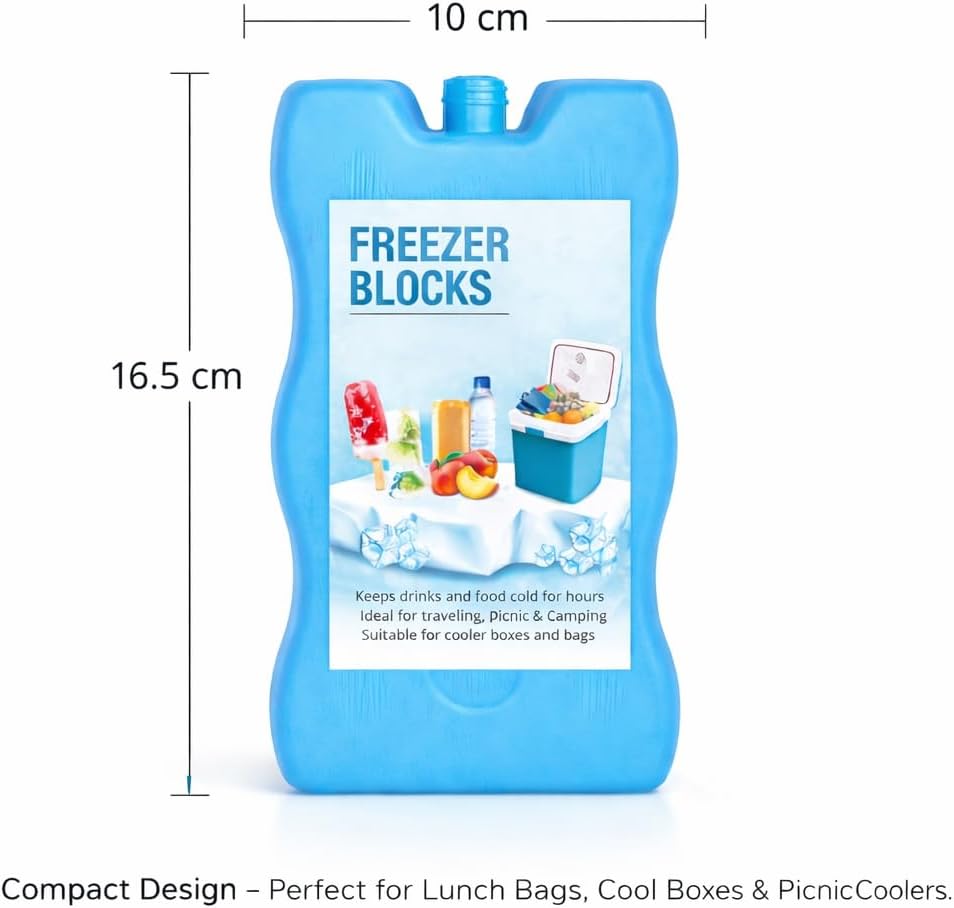
For the price of a meal deal, 1ABOVE gives you six slim, reusable freezer blocks that excel at exactly one thing: keeping a packed lunch or a picnic cold through the day without hogging your bag. The 4.56 average across the 100 most-recent reviews, with 81% of them five stars, lines up with what we read. People who wanted thin, light, cheap blocks for short to medium trips are overwhelmingly happy.
Buy them if you want lunchbox and cool-bag blocks that lie flat, fit anywhere and won't break the bank. Pair them with a proper insulated bag and they'll see you through a UK summer's day comfortably. Skip them, or buy a chunkier block to sit alongside, if you really need 12-hour-plus performance for overnight camping or a stuffed cool box in serious heat. That's the one job the slim design isn't built for, and the reviews are clear about it.
We're scoring these a 4.4 out of 5. They do their core job well, the value is strong, and the only real marks against them are the duration ceiling and a handful of leak and fulfilment hiccups. Go in knowing what they're for and they're an easy recommendation.
1ABOVE Reusable Freezer Blocks (Family Pack of 6)
Slim, lightweight freezer blocks that slot between your food instead of squashing it. Ideal for lunch boxes, cool bags and day picnics.