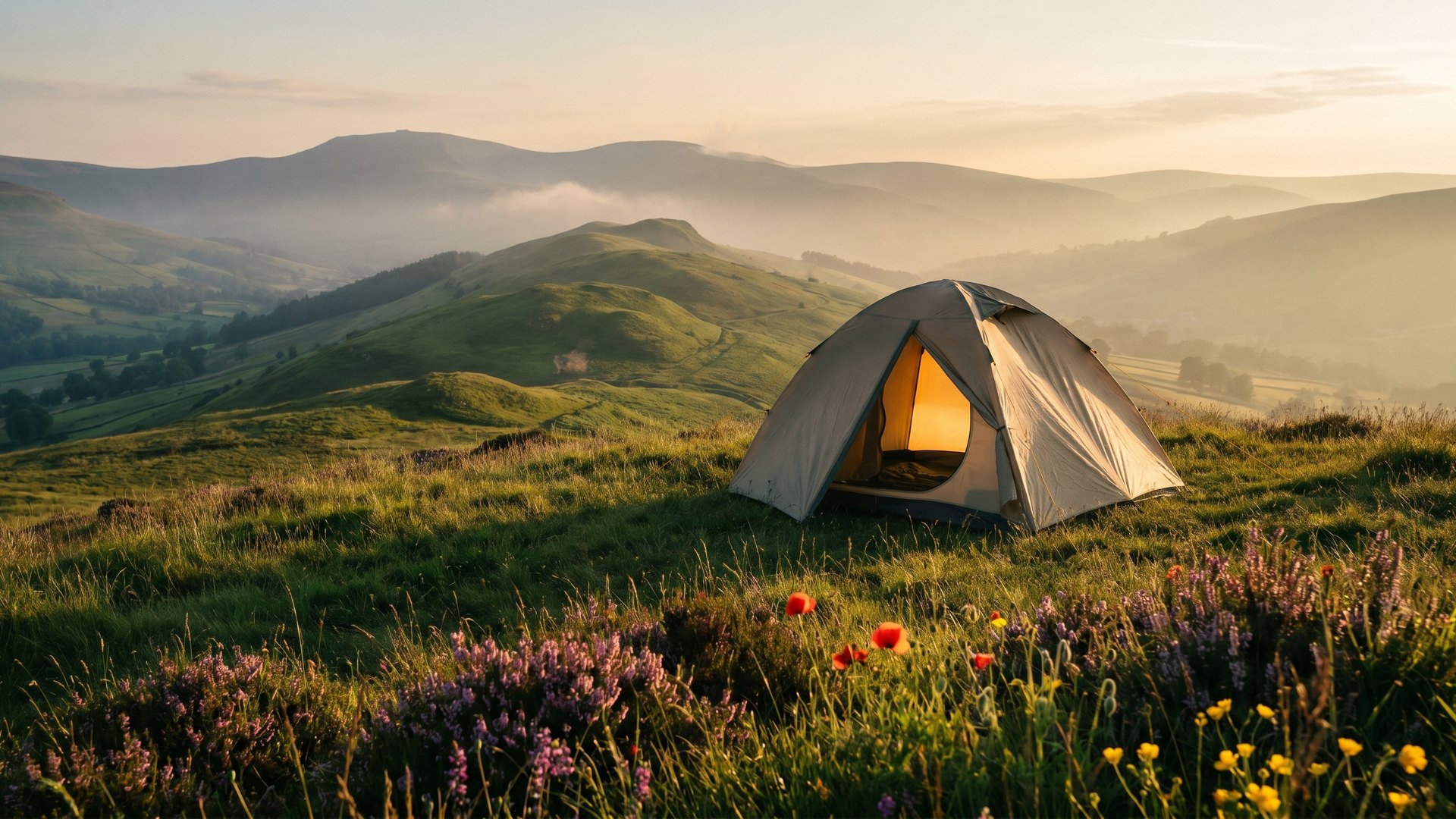
How to Stay Warm in a Tent UK: 6 Steps
Published 25 June 2026
Six practical, UK-tested steps to stay warm in a tent - from insulating against the cold ground to layering, ventilation and pre-bed warm-up tricks.
We earn commission from qualifying Amazon purchases. It costs you nothing and does not affect what we recommend.
Listen to this guide
Quick Answer
The single biggest factor is insulating yourself from the cold ground with a high R-value sleeping mat or foam layer, because that is where most of your heat is lost. After that, use a sleeping bag rated for the temperature, wear dry thermal layers, keep your tent ventilated to stop condensation, and warm your body up before you climb into bed.
Cold nights are the quickest way to ruin a UK camping trip. The British climate rarely gives you a dry, still night - you are far more likely to face damp ground, a sharp drop in temperature after sunset and a breeze finding every gap. The good news is that staying warm has very little to do with heating the tent itself and almost everything to do with how you set up your sleeping system and look after your own body heat.
Most tents are not built to retain warmth, so chasing a warm tent interior is the wrong goal - it just leads to condensation and a damp, miserable morning. Instead, the aim is to stop heat escaping from you. The steps below work through that in order, starting with the ground, because that is where most campers lose the battle.
Insulate yourself from the ground first
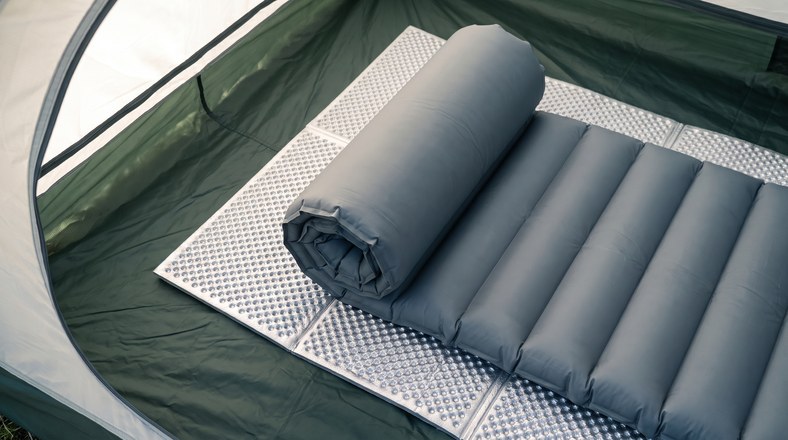
You lose more heat to the ground than to the air around you. Lie directly on a groundsheet or a tall airbed and your body heat constantly drains into the cold earth, which is why people who pile blankets on top still wake up shivering.
The fix is a sleeping mat with a high R-value, the figure that measures how well a pad resists heat loss. As a rough guide for UK conditions:
- Summer: R-value of around 1 to 2 is fine.
- Spring and autumn: aim for R-value 3 to 4.
- Winter and frosty nights: R-value 4.5 or higher, or stack two mats to add their values together.
A cheap closed-cell foam mat under an inflatable pad is one of the best value tricks going - it adds insulation and protects your inflatable from sharp ground. A foil-backed foam mat does the same job and reflects a little warmth back at you.
Choose the right sleeping bag and rethink the airbed
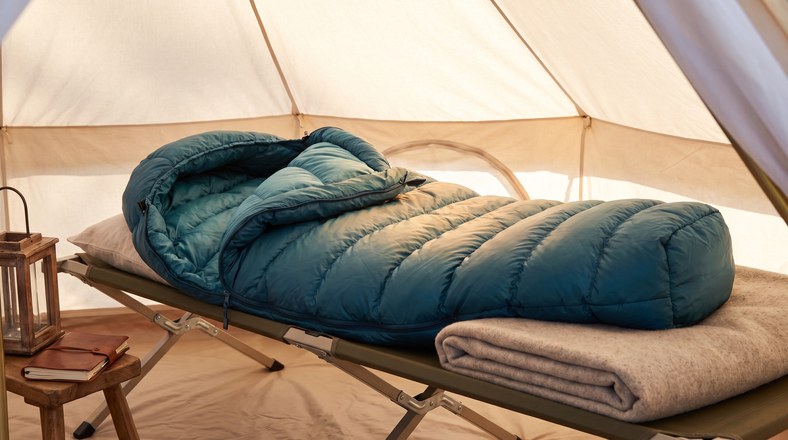
Your sleeping bag is your main layer of warmth, so match its temperature rating to the conditions and treat the printed number as an estimate rather than a promise. Bag ratings are generous - a so-called 3 to 4 season bag is often really a comfortable summer bag, so add a margin if you feel the cold.
- Down is warmer for its weight and packs smaller, but loses insulation when wet - best for dry, cold trips.
- Synthetic is cheaper and keeps insulating when damp, which suits the UK's wet climate.
- A sleeping bag liner can add several degrees of warmth for little money and keeps the bag cleaner.
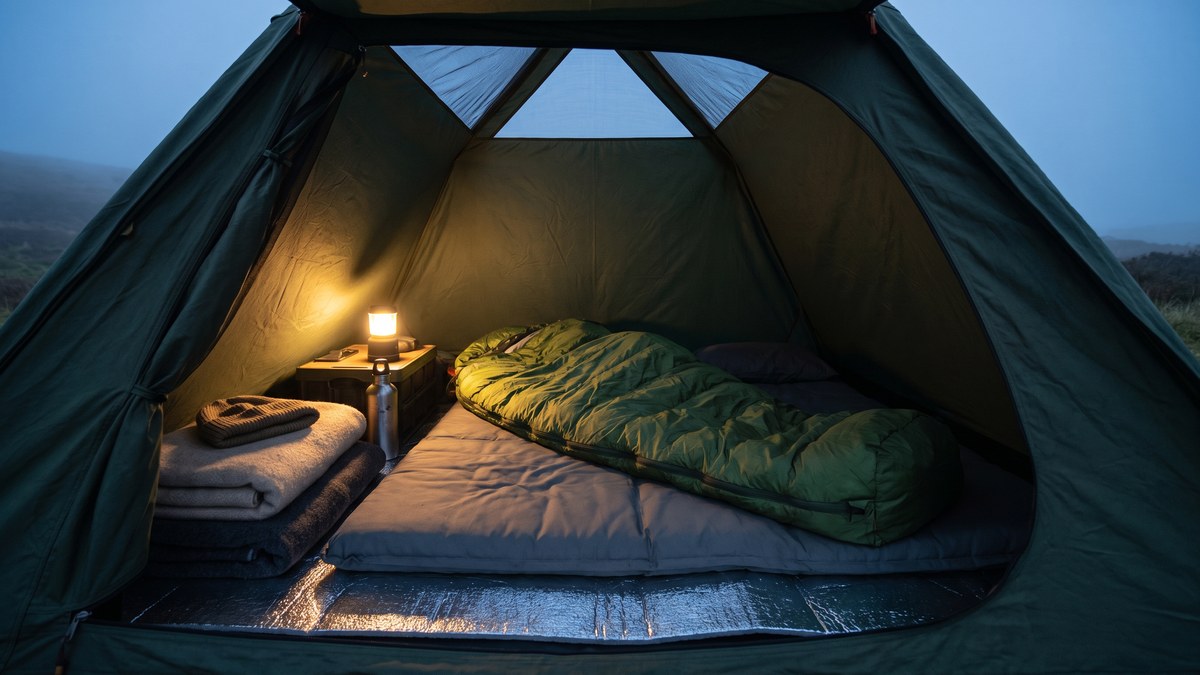
One common mistake is a tall inflatable airbed. The large mass of cold air inside saps your body heat all night, so if you use one, always put an insulating layer such as a foam mat or a folded blanket on top of it, not just underneath. For colder nights an insulated camp bed or a good sleeping mat will beat a basic airbed every time.
Layer your clothing the smart way
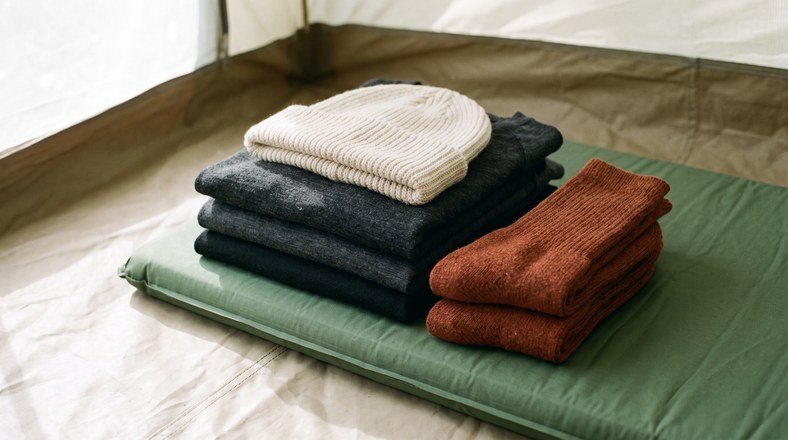
What you wear in your sleeping bag matters as much as the bag itself. Avoid tight clothing, which restricts circulation and makes you feel colder. Build up loose, breathable layers instead.
- Change into fresh, dry base layers before bed - the clothes you have worn all day are slightly damp and will chill you.
- Merino wool is ideal next to the skin because it insulates even when slightly damp and resists odour.
- Cover your extremities: wool socks, a hat or hood, and gloves if it is really cold. A surprising amount of warmth is kept simply by covering your head.
- Sleep in the base layers you plan to wear the next day, and keep tomorrow's clothes inside the bag with you so they are warm, not freezing, when you dress.
Keep a dry change sealed in a waterproof bag. Once your clothing gets wet it stops insulating, and drying it out on a cold UK morning is rarely an option.
Warm your body up before you get in
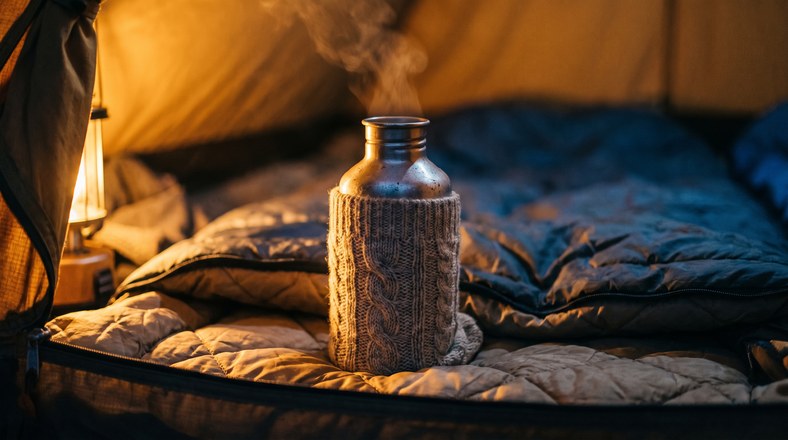
If you climb into a sleeping bag already cold, you will struggle to warm up all night - the bag traps heat, it does not generate it. So get your core temperature up first.
- Have a hot meal and a warm drink before bed. High-fat, high-protein food burns slowly and keeps you warmer for longer than carbs alone.
- Do a few star jumps or a brisk walk just before turning in to get your blood moving.
- Fill an uninsulated bottle with hot water, wrap it in a sock and put it at the foot of your bag or near your core. An uninsulated metal or sturdy bottle releases the heat slowly into the bag.
- Disposable hand warmers tucked into the bottom of the bag keep your feet toasty. Keep electronic warmers in your pockets during the day rather than inside the bag, where they can cause burns.
And visit the toilet before you settle - a full bladder makes you feel colder, and nobody wants to leave a warm bag at 3am.
Manage condensation and ventilation
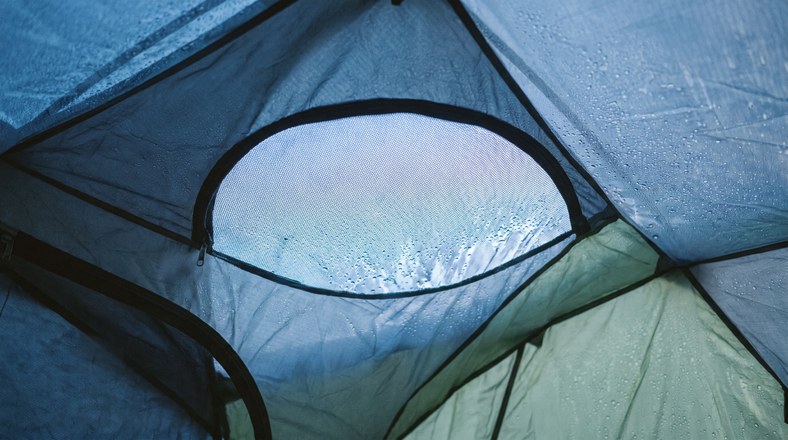
It feels wrong, but trying to seal your tent up tight to keep heat in usually backfires. A sealed tent traps the moisture from your breath and body, which condenses on the cold inner walls and drips back onto your bedding. Damp gear loses its insulation, so you end up colder.
- Keep a vent or part of the door slightly open to let moisture escape. Cool, dry air inside is better than warm, wet air.
- Pick a tent that is just big enough - a smaller air space holds your warmth better than a cavernous family tent on a cold night.
- Keep wet boots and waterproofs in the porch, not the sleeping area, so they do not add moisture indoors.
- If you camp in cold weather regularly, a 4-season tent retains heat better and stands up to UK winds, but check the Hydrostatic Head rating - 3000mm or above handles a prolonged downpour.
Pitch smart and keep a thermal blanket spare
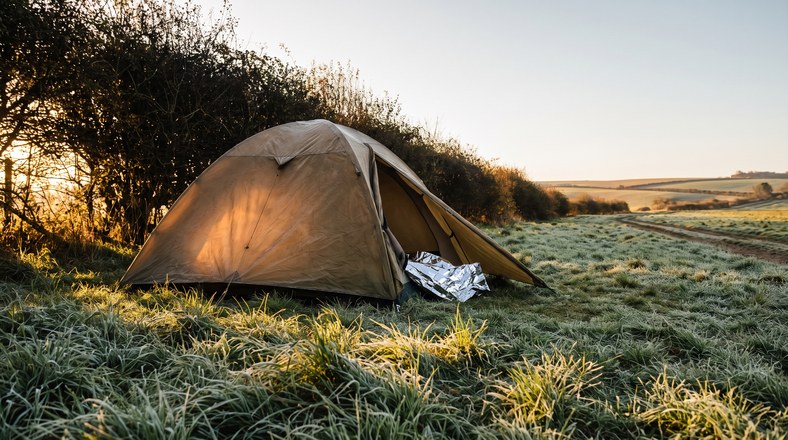
Where and when you set up makes a real difference. Pitch while there is still daylight, before the temperature drops, so you are not fumbling in the cold and dark.
- Choose a sheltered pitch. Fences, hedges and bushes make good windbreaks, but avoid pitching directly under trees because of falling branches and prolonged drips.
- Avoid low-lying ground, which collects cold air and is prone to flooding.
- If you can, position the tent so the morning sun reaches it - waking to sun on the fabric takes the edge off a frosty start.
Finally, always pack a backup. A lightweight foil emergency blanket weighs almost nothing, costs a few pounds and reflects body heat back at you in a pinch - draped over a sleeping bag on an unexpectedly cold night, or kept in your kit for genuine emergencies. It is the cheapest insurance against a cold night that a UK camper can carry.
Frequently Asked Questions
Is it worth using a heater to stay warm in a tent?
For most UK campers, no. Tents are not insulated well enough to hold the heat, and gas or electric heaters add weight, cost and real safety risks including carbon monoxide. Your sleeping mat, sleeping bag and clothing are far more effective and far safer. Sort your sleep system out first.
Why do I still feel cold on an airbed even with lots of blankets on top?
Because the problem is underneath you, not on top. A tall airbed holds a large mass of air that your body has to keep warming all night, and that cold air drains heat from your back. Put an insulating layer such as a foam mat or folded blanket on top of the airbed, or switch to a high R-value sleeping mat.
What R-value sleeping mat do I need for UK winter camping?
Aim for an R-value of around 4.5 or higher for frosty winter nights. For spring and autumn, R-value 3 to 4 is usually enough. If you already own two lower-rated mats you can stack them, as their R-values add together.
Should I close my tent up tight to keep the warmth in?
No. Sealing the tent traps the moisture from your breath and body, which condenses on the cold walls and dampens your bedding, leaving you colder. Keep a vent or part of the door open. Cool, dry air inside beats warm, wet air every time.
Related Reading
- Yellowstone EVA Camping Mat With Foil at £6.69 review
- Why DofE Parents Pick This £23.99 Yuzonc Sleeping Mat review
- From Campsite to Spare Room review
- OlarHike Double Airbed at £59.98 review
- MIXIAO Emergency Foil Thermal Blanket 6-Pack at £5.94 review
- How to Choose a Sleeping Pad for Winter Camping in the UK
- How to Stop an Airbed Going Cold at Night (And Stay Warm on Any Camping Trip)
Disclaimer: This article contains Amazon affiliate links. We may earn a small commission from qualifying purchases at no extra cost to you.