What to Pack for DofE Bronze Expedition UK: Full Kit List
Published 12 August 2026
The full DofE Bronze packing list for UK expeditions: exact clothing quantities, sleeping and cooking kit, what your provider already supplies, and what to leave at home.
We earn commission from qualifying Amazon purchases. It costs you nothing and does not affect what we recommend.
Quick Answer
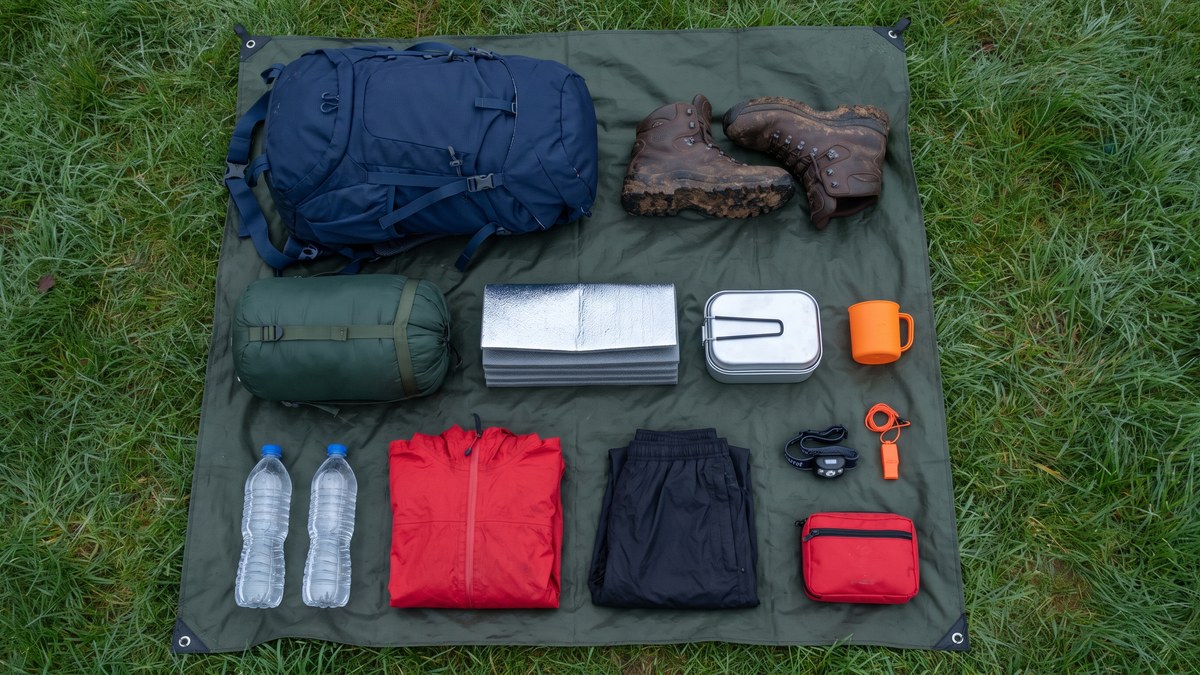
Pack for two days of walking and one night in a tent: broken-in boots, non-cotton layers, a waterproof jacket and over-trousers, a three-season sleeping bag and mat inside a dry bag, mess tins and a spork, two litres of water capacity, a head torch with spare batteries, a whistle and a small personal first aid kit, all in a 50-65 litre rucksack. Before buying anything, ask your expedition provider what they supply - tents, stoves, fuel, maps and compasses are usually group kit, and many schools lend rucksacks and sleeping mats too.
The kit letter arrives from school, the list runs to forty items, and one browse of an outdoor shop suggests you could spend several hundred pounds on a two-day walk. Take a breath. A Bronze expedition is a minimum of two days and one night, it almost always happens between late March and late October, and providers supply much of the expensive kit. Most of what genuinely matters costs little: the right socks, a dry sleeping bag, food that weighs nothing and a torch that works.
This guide covers the full packing list with quantities, the expedition rules that shape it, what your provider probably supplies so you do not buy it twice, and the things every group wishes someone had left at home.
What a Bronze Expedition Actually Asks of Your Kit
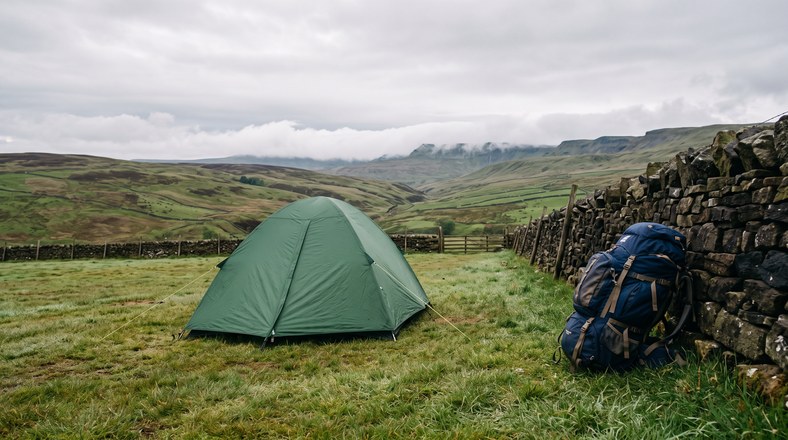
Bronze is the shortest expedition in the award: a minimum of two days and one night, with six hours of planned activity each day. Teams are four to seven participants (eight where the mode of travel carries two people at once, such as tandems or open canoes), and the journey must be unaccompanied and self-sufficient. That last phrase drives the whole packing list. Everything the team needs - shelter, food, cooking kit, clothing, safety kit - is carried on your backs, with adults supervising remotely rather than walking alongside.
Three more rules shape what goes in the bag:
- Expeditions usually run between the end of March and the end of October. You are packing for a mild-season British route across farmland, woodland or gentle hills, not a winter mountain. Three-season kit is the target, which keeps costs sensible.
- Bronze requires training but no compulsory practice expedition - that begins at Silver. For many teams the qualifying expedition is their first full day under a loaded pack, so run your own shakedown: pack everything, weigh it, and walk locally for an hour the weekend before.
- Cooking counts. Teams plan a menu and cook a substantial hot meal each day (optional on the final day), so the cooking and eating kit genuinely gets used.
Ask your provider what they supply before buying anything
This is the single biggest way families waste money on DofE. Schools and Approved Activity Providers usually supply the expensive group kit: tents, stoves, fuel, maps and compasses, and many lend rucksacks and sleeping mats too. Some supply all of it. One message to the expedition organiser before you go near a shop can save a serious amount, and it also tells you how much room to leave for your share of the group kit, because tent poles, pegs and stoves get split between the team.
The rucksack and the weight rule of thumb
The main pack wants to be 50-65 litres with an adjustable back and a proper hip belt, fitted so the hips rather than the shoulders take most of the load. A 30 litre school daypack will not swallow a sleeping bag, spare clothes and a share of the tent, however hard you compress it. Many providers lend expedition rucksacks, so ask first; if you do buy, have it fitted with weight inside. Line it with a rubble sack or dry bags, because rucksacks are not waterproof and a rain cover only slows the rain down.
On weight, the advice you will hear everywhere is to carry no more than about a quarter of your body weight, including food and water. Treat that as widely used guidance rather than an official DofE rule, but it is a useful ceiling: for a 50 kg fourteen-year-old it means roughly 12 kg, which arrives faster than you expect. Weigh the packed bag on the bathroom scales and cut ruthlessly.
Clothing and Footwear: The No-Cotton Rule
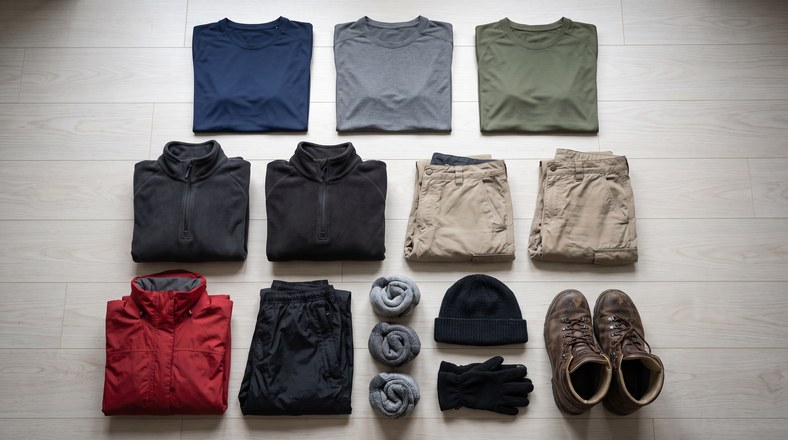
The rule that separates good Bronze packing from bad: no cotton. Cotton soaks up rain and sweat, dries slowly, and strips heat from you the moment you stop walking. On an exposed British hillside that is a safety issue rather than a comfort one, which is why jeans, cotton hoodies and cotton t-shirts sit on most providers' banned lists. Choose synthetics (football-shirt fabric is exactly the right idea) or merino wool: both keep some warmth when damp and dry quickly.
Build warmth from thin layers you can add and shed as the weather turns, not one big coat - padded ski jackets are too hot on the move and useless once soaked. For two days and one night the clothing list looks like this:
- 2-3 quick-dry t-shirts (wear one, pack the rest)
- 1-2 fleece tops
- 2 pairs of walking trousers (zip-off legs are handy; never jeans)
- 3 pairs of proper walking socks, one pair kept dry and sealed with your sleep kit
- Underwear, ideally synthetic sports fabric rather than cotton
- Warm hat and gloves whatever the month - a campsite at 6 am is cold even in July
- Sun hat and shorts if the forecast earns them
- A separate dry base layer and leggings that are only ever worn in the tent
- Optional: gaiters, plus trainers or flip-flops for around camp
Waterproofs: jacket and over-trousers
A hooded waterproof jacket and waterproof over-trousers appear on every DofE kit list, and the over-trousers are the item teenagers most often try to skip. Hold firm. Wet walking trousers stay wet all day and turn the evening miserable. Look for taped seams and a stated waterproof rating rather than anything described as shower resistant. The 33,000ft over-trousers we reviewed carry a 5,000 mm rating with taped seams and pack small enough to live in the rucksack lid, which is where they belong: on at the first proper rain, not after you are soaked.
Boots: broken in or nothing
Most providers require boots that support the ankle, and some treat them as a condition of starting, so read your kit letter. After that, comfort beats everything. Boots bought the week before are the classic Bronze mistake and the main cause of blisters. Break them in over several weeks: around the house, on the school run, then on one local walk with the loaded pack. If boots are borrowed or hired, walk in them beforehand wearing the exact socks you will use, and throw spare laces in the lid pocket - they weigh nothing and rescue a bad morning.
Sleeping Kit: Warm Through One British Night
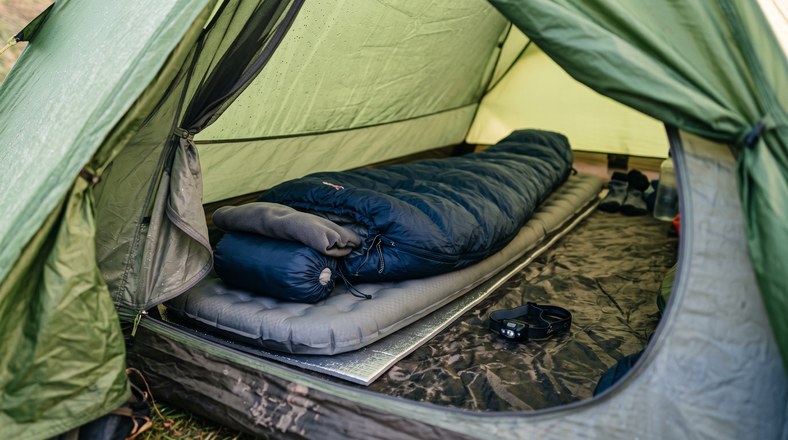
You only have to get one night right at Bronze, but get it wrong and day two is grim. A clear April or September night drops to low single figures in a campsite field even after a warm afternoon, and tired teenagers feel it. Warmth comes from three things: the bag, the mat underneath, and dry clothes kept just for sleeping.
The sleeping bag
A three-season bag is the right target for the Bronze season. Ignore the headline extreme temperature on any label - that is a survival figure, not a comfort promise - and judge the comfort rating instead. Labels also flatter: the Voyager bag we reviewed sells as 3-4 season, and our review concluded it performs as a genuine three-season bag. For an expedition run between late March and October that is exactly what you need. It packs down small and it is machine washable, which matters when it comes home smelling of woodsmoke.
The mat is not optional
The ground takes more of your heat than the air does, so a bare tent floor defeats even a good bag. Two routes work:
- Inflatable: the Yuzonc pad we reviewed inflates with a built-in foot pump, has a pillow section moulded in and packs far smaller than foam. Its reviews are full of DofE parents for a reason.
- Closed-cell foam: the Yellowstone foil-topped mat is the budget warhorse - feather light, impossible to puncture and happy strapped to the outside of the pack. It is thin and carries no insulation rating, so treat it as the cheap and cheerful choice, a sit mat at lunch stops, or an extra layer under an inflatable on a cold pitch, rather than a plush bed on its own.
Providers often lend basic foam mats, so check before buying either.
The warm-night routine
- The sleeping bag travels inside a dry bag or compression sack at the bottom of the rucksack, never loose and never strapped outside
- Change into the dry sleep layers as soon as camp jobs are done; never sleep in the day's damp base layer
- Wear the warm hat to bed and eat something hot before turning in
- Stuff a fleece into a stuff sack for a free pillow instead of packing one
Cooking, Eating and Water
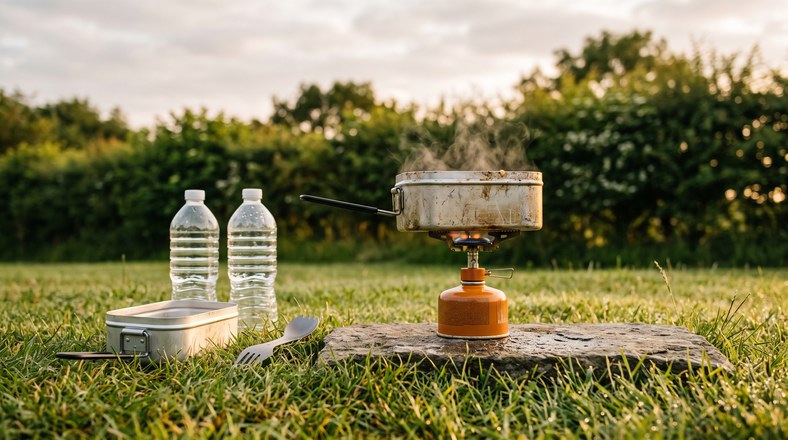
Teams must cook and eat a substantial hot meal each day of the expedition (optional on the final day), so this kit earns its place. The stove and fuel are almost always group kit issued by the provider and shared between cooking groups; what you personally carry is smaller - something to cook in, something to eat with, and the food itself.
Mess tins and eating kit
Army-style mess tins have been the DofE and cadet standard for decades: two nesting aluminium tins, the larger for cooking, the smaller doubling as plate and lid, light and near indestructible. The army mess tin set we reviewed is exactly this pattern. One job before departure: season them by wiping with a little cooking oil and warming them gently once at home, or the first pan of porridge welds itself on. Alongside the tins pack a spork or lightweight cutlery, a plastic or enamel mug for the hot drink that fixes most moods, matches in a waterproof pot or a lighter (check what your provider issues with the stove), a small sponge with washing-up liquid decanted into a travel pot, and a bin bag, because everything you carry in comes back out.
Food that earns its weight
- Breakfast: porridge sachets and hot chocolate - warm, fast, light
- Lunch: eaten on the move - wraps, hard cheese, malt loaf, flapjack
- Dinner: pasta-and-sauce packets, instant noodles or rice pouches, tuna in a pouch rather than a tin
- Snacks: something small every hour - trail mix, cereal bars, jelly sweets
- Emergency rations: a chocolate bar and a flapjack that stay untouched at the bottom of the bag, required on most kit lists
No glass at all, and as few tins as possible - the weight sits in the packaging. Cook your planned dinner once at home on a camping stove before the real thing; ten minutes of practice removes most of the day-one chaos.
Water
Two litres of carrying capacity is the standard instruction, and two 1-litre bottles beat one large one: the weight spreads better and one bottle rides in a side pocket where it actually gets drunk. The OLDLEY bottle we reviewed is leakproof with time markings down the side, which sounds like a gimmick until you watch a fourteen-year-old pace their drinking off it. Plan refills on the route card at campsite taps and checkpoints, and if your Leader approves topping up from streams, a tub of purification tablets is cheap insurance - the Oasis tub we reviewed holds 200 tablets, enough to treat around 2,000 litres, more water than a whole Bronze team drinks in a season.
Navigation, Safety, Wash Kit and What to Leave at Home
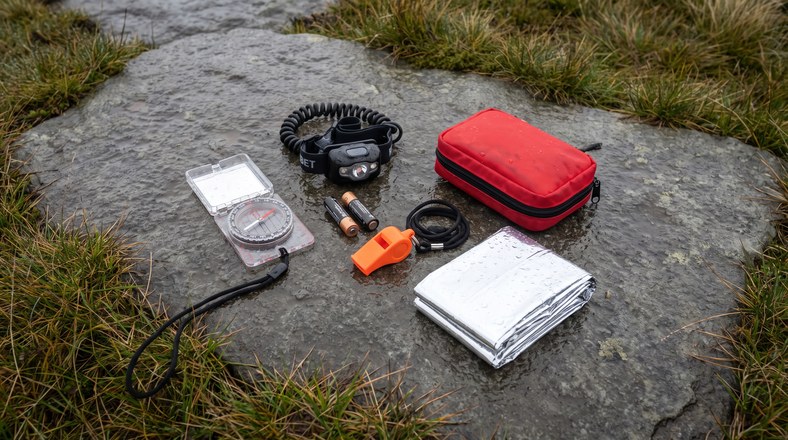
The final part of the list is the small kit that shows a team can look after itself - and the pile of things that should never leave the house.
Navigation
Maps and compasses are normally issued to the team, but everyone takes a turn navigating during training, and it helps to learn on a compass you will hold again. If you buy your own, pick a baseplate compass with romer scales that match Ordnance Survey mapping: the Expedition 4 we reviewed carries 1:25,000, 1:40,000 and 1:50,000 scales, which lines up with the OS Explorer and Landranger maps UK expeditions use. Add a cheap watch for timing legs, and a notebook and pencil for route notes. Phone policies differ between providers - a common arrangement is phones carried for emergencies only, switched off or sealed - so ask your Leader rather than assume.
Safety kit
- Head torch and spare batteries: every kit list says "and spare batteries", which is why battery-powered torches are the practical pick over rechargeable ones here - you cannot pack spare charge, but you can pack spare cells. The Gritin and Lepro 2-packs we reviewed both run on standard batteries, and a 2-pack means a backup torch for the tent as well.
- Whistle: on a lanyard clipped to the rucksack strap, not buried in a pocket. The Lifesystems whistle we reviewed comes with the lanyard included. Six strong blasts, a minute's pause, then repeat: the recognised UK distress signal.
- Personal first aid kit: small and personal. Blister plasters above all, ordinary plasters, antiseptic wipes and any personal medication your Leader has been told about. The team carries a larger group kit, so yours mainly looks after your own feet. The 92-piece General Medi pouch we reviewed is not much bigger than a pencil case and includes scissors and a foil blanket as backup warmth.
- Emergency survival bag: the big orange plastic bag on most kit lists - providers often issue them, and they cost little if not.
Wash kit: tiny on purpose
Most Bronze participants never see a shower, and everyone survives. Wet wipes do the real work - the no-rinse bamboo body wipes we reviewed are the civilised version - alongside a toothbrush, a travel-size toothpaste or the end of a tube, half a bar of soap or a small bottle of gel, hand sanitiser, toilet paper in a zip-lock bag, sun cream and lip balm, and insect repellent for summer routes, especially anywhere midges operate. Pack period products if needed, plus a small bag for waste. For drying, a compact microfibre towel does everything a bath towel would - the Fit-Flip we reviewed packs to the size of a mug, while a beach towel eats a quarter of the rucksack. Deodorant: a small roll-on if you must, never an aerosol.
What to leave at home
- Jeans, cotton hoodies and anything else cotton
- Full-size toiletries, aerosols, make-up and straighteners
- Pillows and beach towels
- Speakers, games consoles and anything valuable
- Glass jars and heavy tins
- "Just in case" outfits beyond the list - every extra item is weight carried for six hours a day
Personal kit vs group kit: the final check
Usually shared and supplied by the provider: tents, stoves, fuel, maps, compasses and the group first aid kit, with many schools lending rucksacks and sleeping mats on top. Always yours: everything else in this guide. One message to the organiser confirming exactly which is which, sent before you shop, is the best money-saving move in the whole award.
Frequently Asked Questions
Do I need to buy a rucksack for DofE Bronze?
Ask before you buy: many schools and providers lend 50-65 litre expedition rucksacks. If you do buy one, choose an adjustable back system, have it fitted with weight inside, and check the hip belt sits on the hips and takes most of the load. A 30 litre school bag is too small for a sleeping bag, spare clothes and a share of group kit.
Is a three-season sleeping bag warm enough for a Bronze expedition?
Yes. Bronze expeditions usually run between the end of March and the end of October, and a three-season bag with a sensible comfort rating covers that window. Boost it on cold nights with a mat underneath, a dry set of sleep clothes, a warm hat and a hot meal before bed.
How heavy should a DofE Bronze pack be?
The widely used guidance - advice rather than an official DofE rule - is to carry no more than about a quarter of your body weight, including food and water. For a 50 kg teenager that is roughly 12 kg. Weigh the packed rucksack on bathroom scales before the expedition and remove anything that is not on the kit list.
Can I take my phone on a DofE Bronze expedition?
Policies vary by school and provider. A common arrangement is one phone carried for emergencies, kept switched off or sealed, with all navigation done by map and compass. Ask your Leader what your group's rule is before expedition day rather than assuming.
Related Reading
- How to Pack a Rucksack for Hiking: What Goes Where
- What to Put in a Camping First Aid Kit: A UK Checklist
- How to Stay Warm in a Tent UK: 6 Steps
- How to Choose a Sleeping Pad for Winter Camping in the UK
Disclaimer: This article contains Amazon affiliate links. We may earn a small commission from qualifying purchases at no extra cost to you.